Pertosa-Auletta Caves
Pertosa-Auletta Caves: Extended maintenance of the visitor route lighting
1. Pertosa-Auletta Caves: An Ancient Underground World
A Natural Wonder Carved by Water
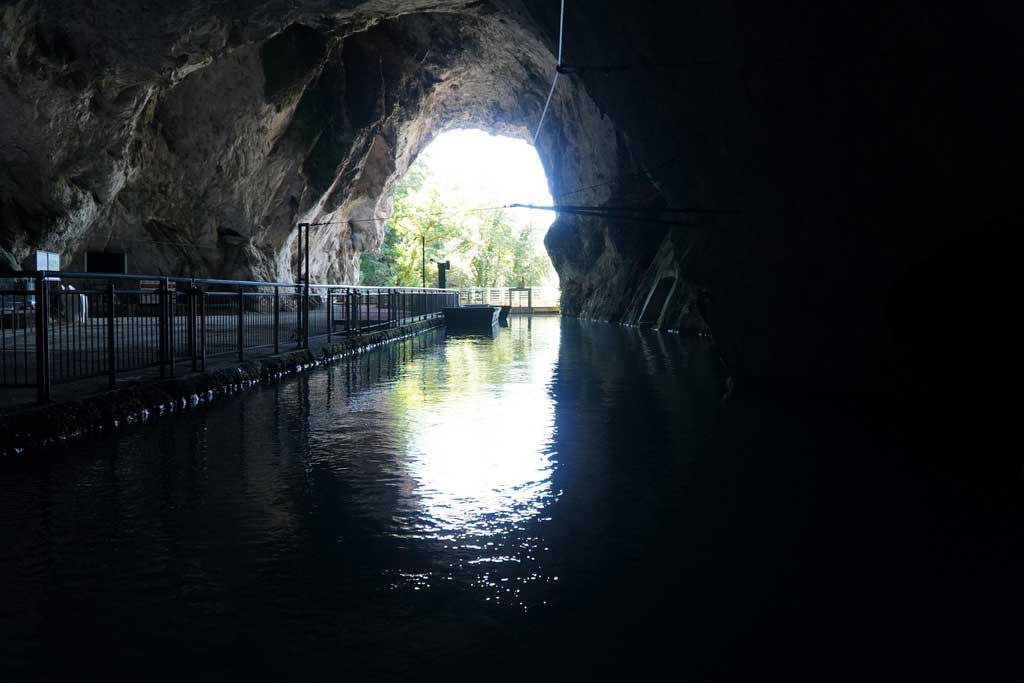
The Pertosa-Auletta Caves, also known as the Grotte dell’Angelo, are a remarkable karst cave system located in the province of Salerno, in Italy’s Campania region, within the Cilento Geopark, at the foot of the Alburni Mountains.
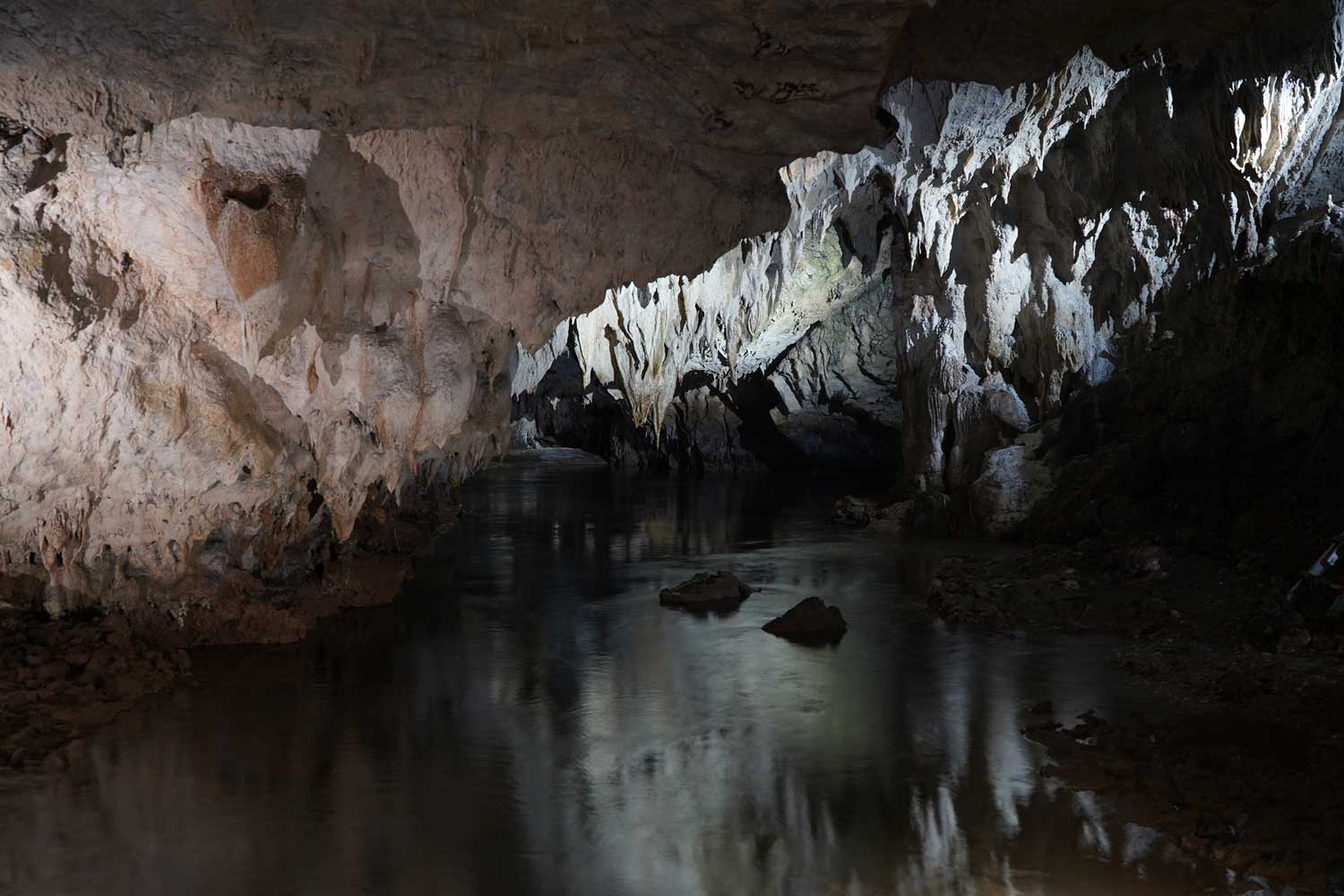
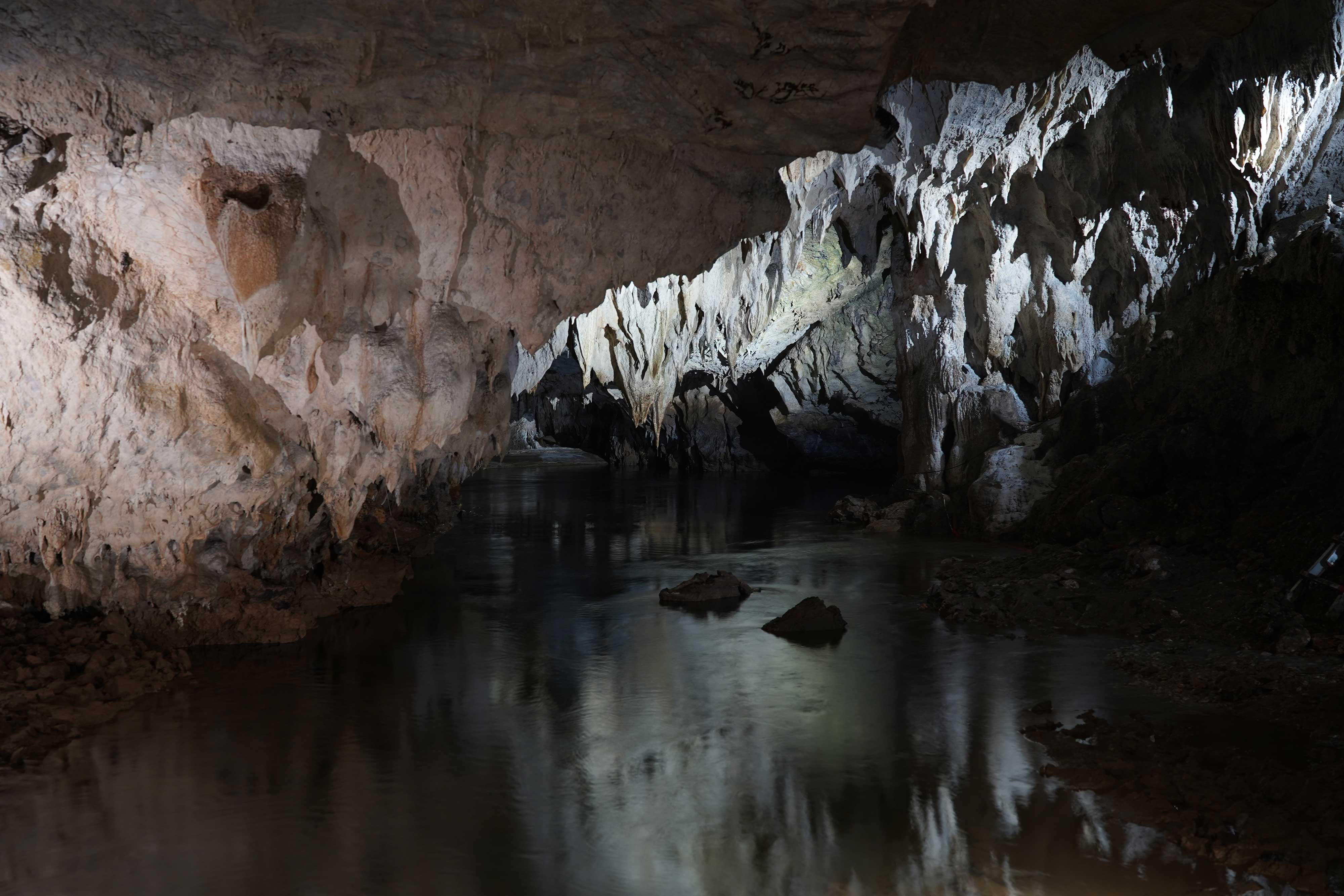
Carved by the Negro River, the system extends for roughly 2,500 meters underground and holds a unique distinction: it contains the only natural cave in Italy where visitors can take a boat ride on an underground river. After entering through an opening 20 meters high and 15 meters wide, visitors board a small boat to cross the subterranean lake before continuing on foot past cascading waterfalls, stalactite-covered chambers, and spaces shaped by millions of years of dripping water.
Thirty-Five Million Years in the Making
Geologically, the caves are ancient, with their formation dating back approximately thirty-five million years. Their human history, however, is equally extraordinary. Archaeological evidence shows that the site was inhabited as far back as around eight thousand years ago, making it one of the most significant prehistoric locations in the region.
Excavations beginning in 1897 uncovered the remains of pile dwellings, together with Neolithic-era objects, confirming that early communities once lived within the cave when it was partially submerged by water. The site continued to be used through the Bronze Age and the Early Iron Age, and later by Lucanian, Greek, and Roman peoples.
An Exceptional Prehistoric Site
Most remarkably, the caves preserve the remains of a pile-dwelling village dating to the second millennium BCE, the only structure of its kind in Europe known to have been built entirely underground. Its inhabitants were likely communities engaged in sheep farming, who built wooden stilted dwellings over the cave’s wet terrain.
In 2025, archaeologists working with Italy’s Central Institute for Archaeology made further discoveries at the site, uncovering a Hellenistic-era cult structure dating between the 4th and 1st centuries BCE. The structure contained ritual offerings such as carved figurines, terracotta ornaments, coins, incense burners, and a fragment of amber, providing evidence of religious practices likely connected to water and fertility, in line with worship traditions found elsewhere in Magna Graecia.
By the Christian era, the caves had also acquired spiritual significance. Greeks and Romans had used the site for worship, and it was later dedicated to the Archangel Michael, a dedication reflected in the alternative name “Grotte dell’Angelo”, shared by many similar caverns across Italy associated with the saint.
From Natural Wonder to Visitor Destination
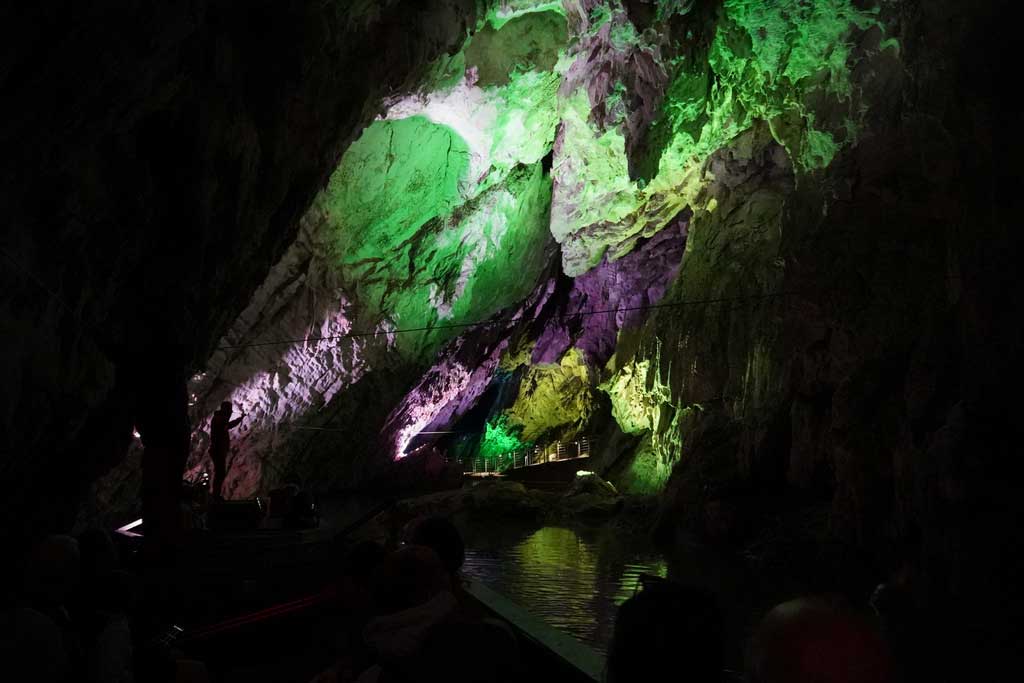
The caves were formally opened to the public as a tourist destination in 1932. Today, visitors still cross the underground lake by boat before continuing through illuminated galleries equipped with modern fibre-optic lighting systems.
Over the years, the site has also become a venue for theatrical performances staged among its natural rock formations, and it served as a filming location for Dario Argento’s 1998 horror film adaptation of The Phantom of the Opera.
Today, the Pertosa-Auletta Caves stand as both a striking natural wonder and an exceptional archaeological treasure, combining geology, prehistory, and millennia of continuous human use.
2. Before the Renovation: Lighting Challenges and Limitations
Why a New Lighting Strategy Was Needed?
The extended maintenance works were initiated in response to several important issues identified in the existing visitor-route lighting system. The objective was to renew the visual appearance of selected cave sections, restore functionality, improve reliability, and address the technical and operational limitations that had affected the lighting installation over time.
Non-Operational Lighting in Key Visitor Areas
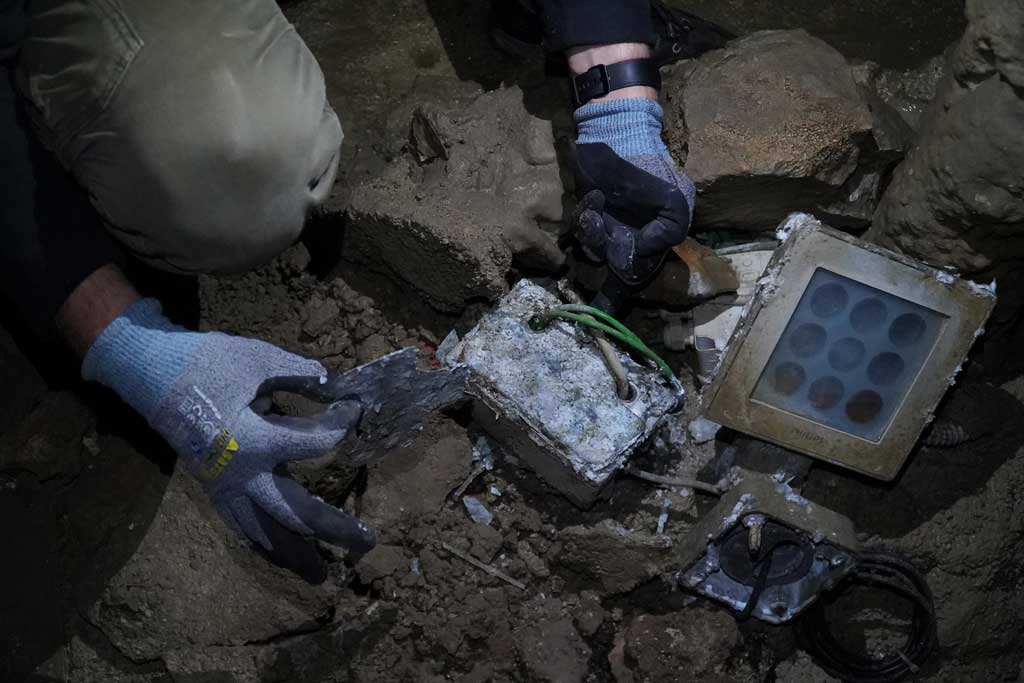
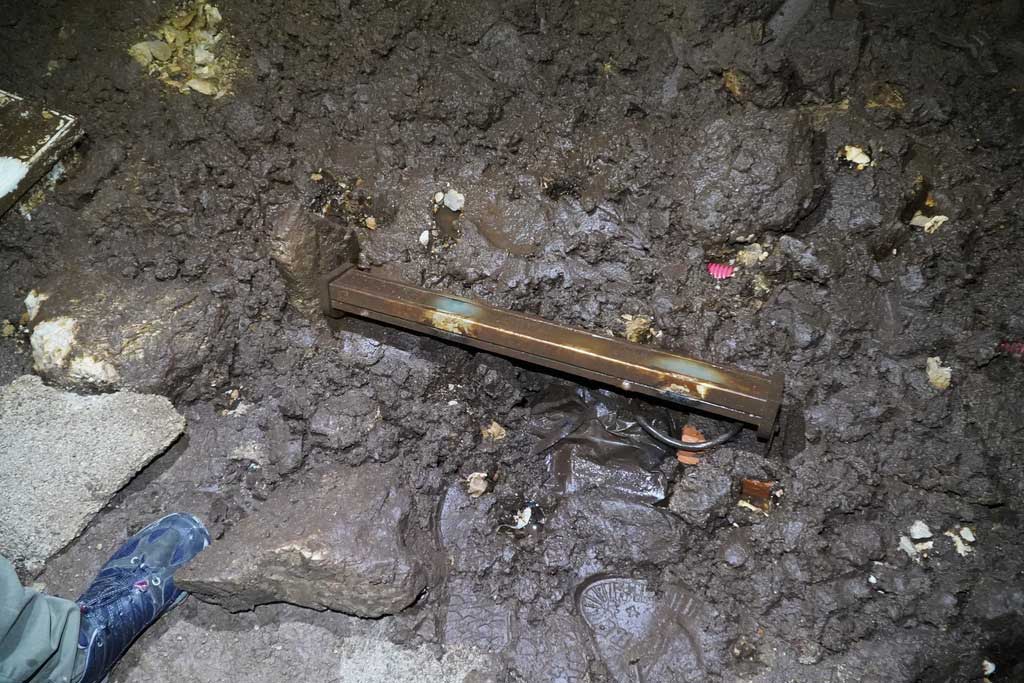
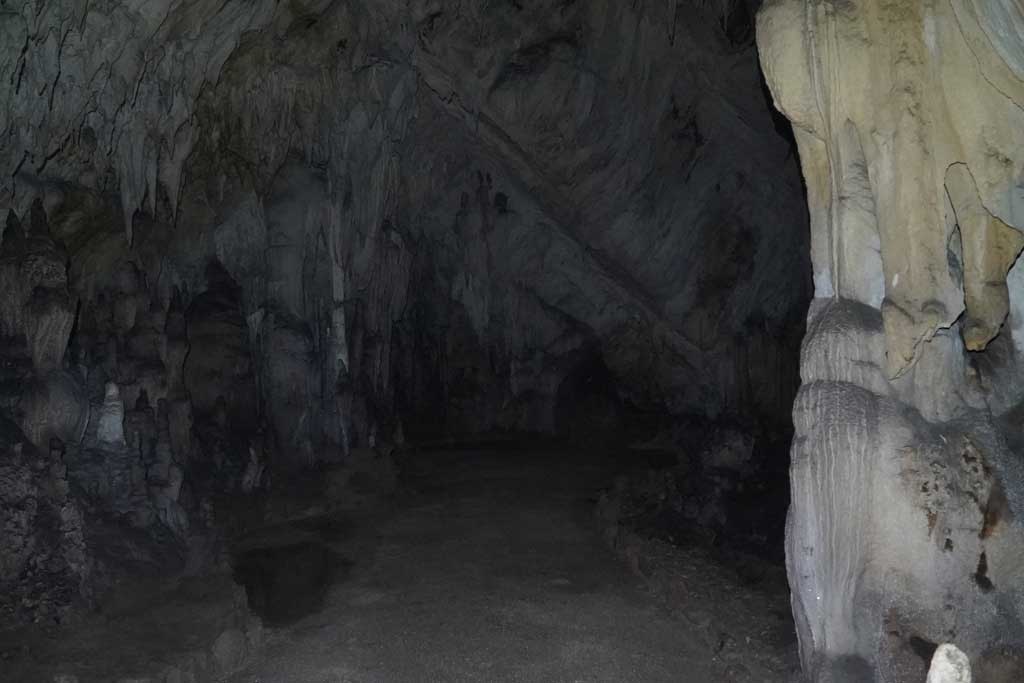
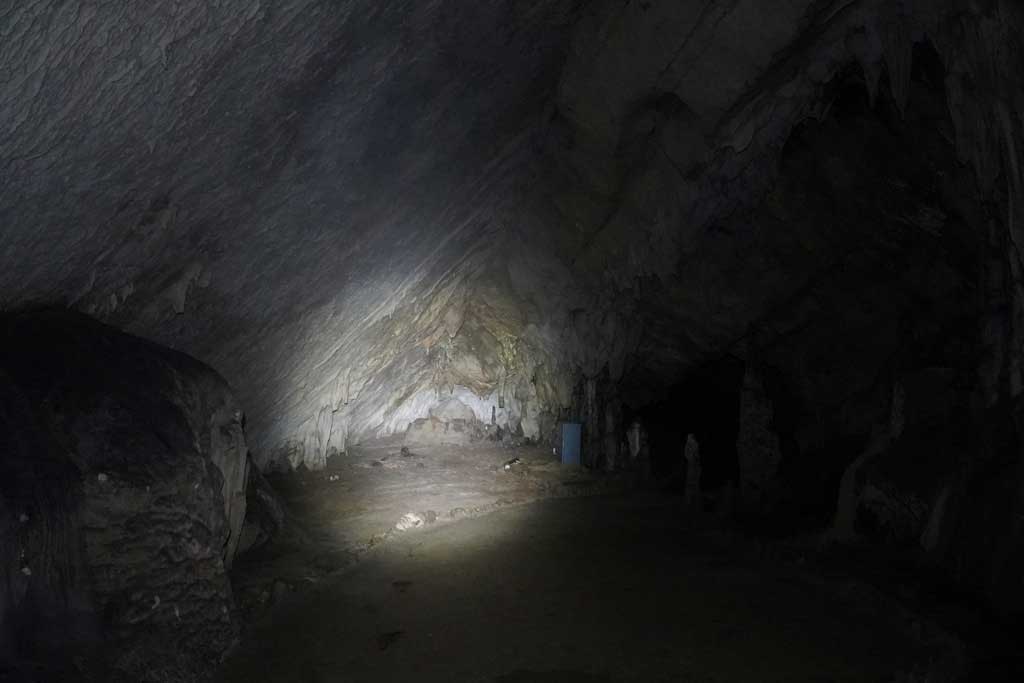
One of the most significant problems was that the lighting in Sala delle Spugne, Sala del Paradiso, and their access galleries had not been operational since at least 2018.
As these areas form important parts of the visitor route, the lack of functional lighting reduced both the visual quality of the visit and the possibility of presenting these spaces properly to the public.
Too Much Light, Not Enough Precision
The existing lighting installation also included many large, and in some cases very large, luminaires, often much more powerful than necessary for the areas they were intended to illuminate.
Their wide beam angles and unsuitable positioning created a visual effect that was not always appropriate for the cave environment. In some narrower or lower galleries, the result was uneven illumination, with areas that were either poorly lit or overexposed. In larger spaces, the light was often too broad and uniform, reducing the perception of depth and making formations, wall textures, and natural colours less visible.
When Technology Became Too Visible
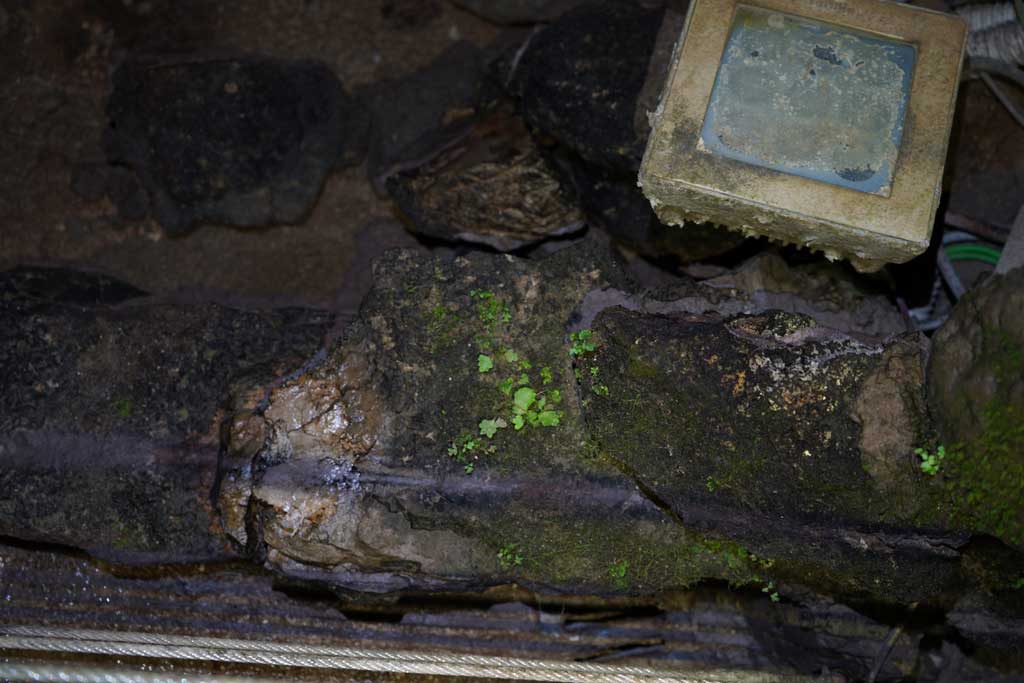
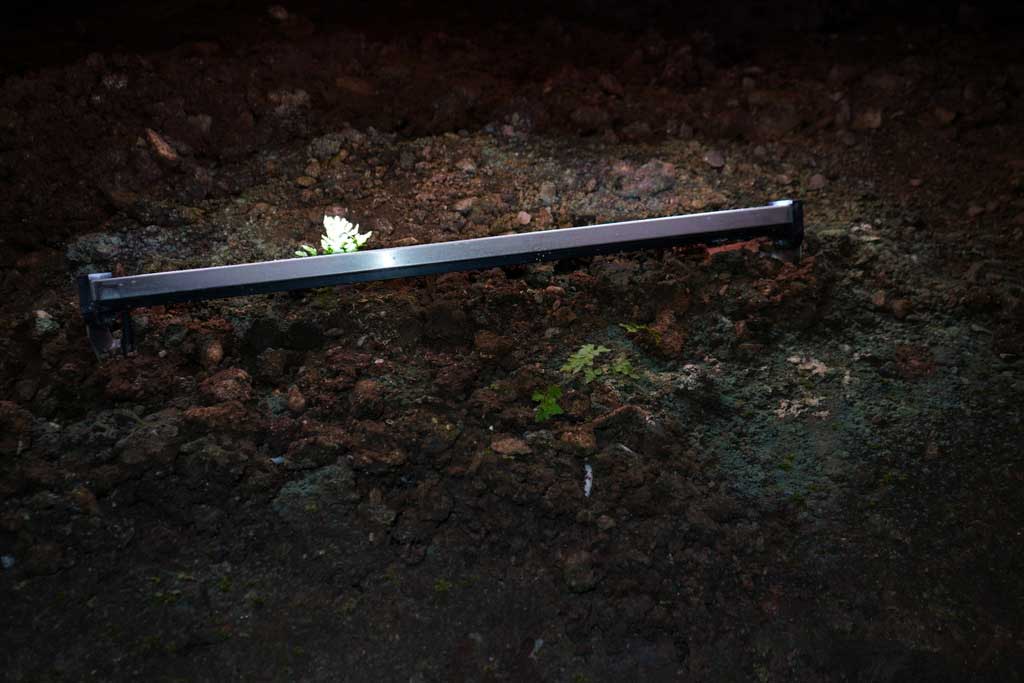
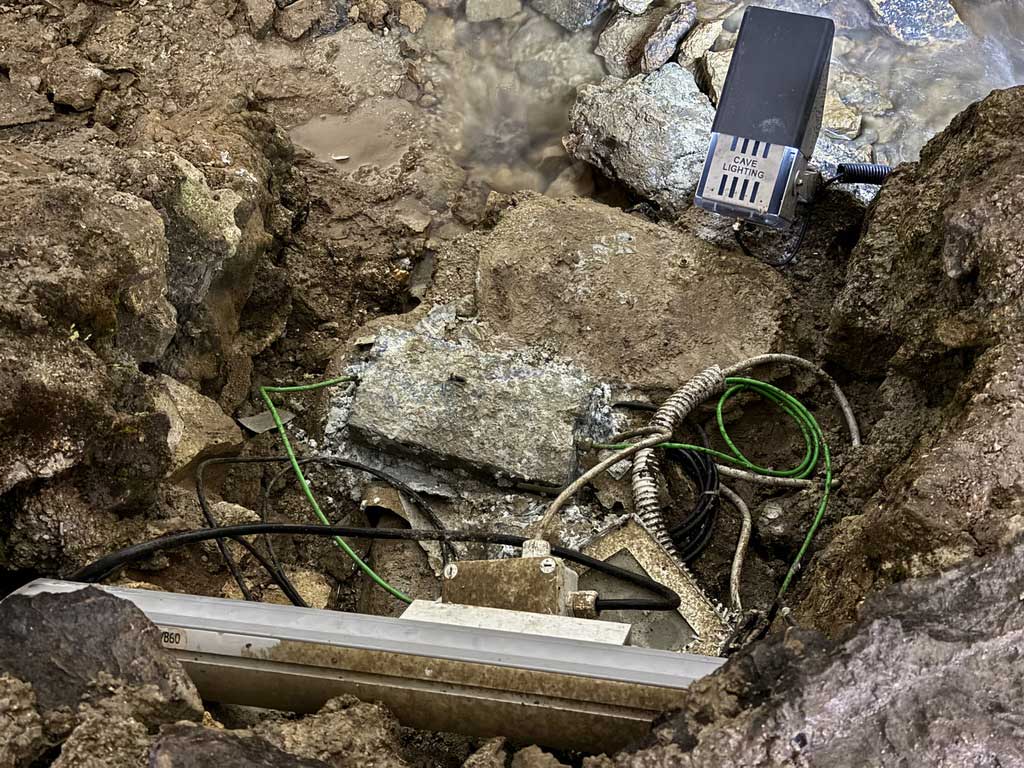
Many components of the old installation were also highly visible along the route. Cables, fixtures, and other technical elements were often positioned in ways that made them stand out visually, reducing the natural atmosphere of the cave.
In some locations, luminaires produced direct glare toward visitors, affecting the comfort of the visit. Another major technical issue was the lack of adequate waterproofing measures. In a cave environment, where humidity and water infiltration are constant challenges, this resulted in recurring problems and increased maintenance needs.
Limitations of the Original Control System
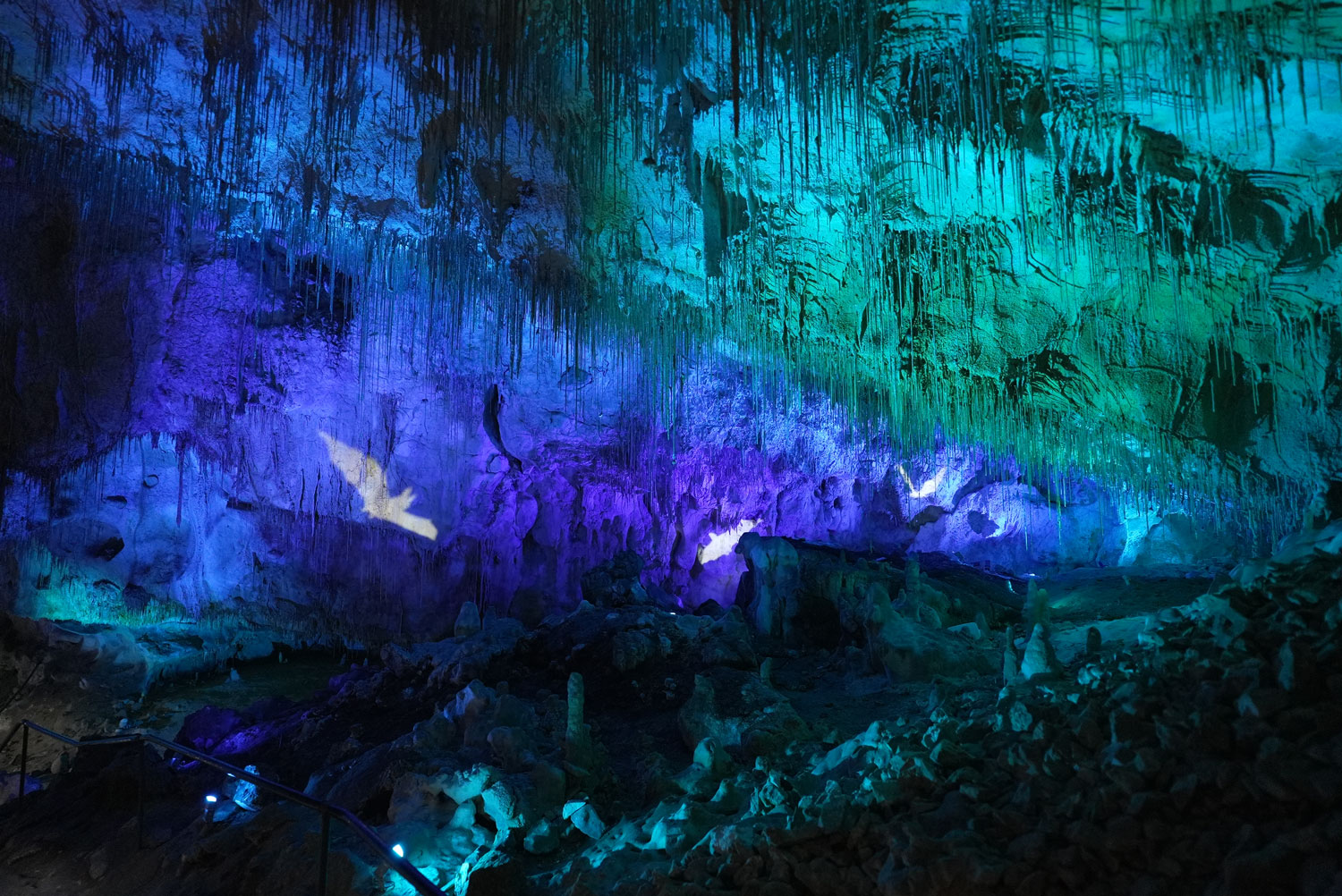
A further limitation was related to the original control concept. The system had been designed to be very advanced, including a geolocation function that allowed the lighting colours to change in different areas of the cave.
However, this system did not provide the necessary local control to switch lights on and off according to the actual progress of the guided tour. As a result, the lights were kept on continuously during visiting hours.
Lampenflora and Environmental Impact
This operational condition contributed to the significant spread of lampenflora in parts of the cave. Continuous artificial light, combined with the naturally humid underground environment, created favourable conditions for biological growth near illuminated surfaces.
Reducing unnecessary lighting time and improving control over the visitor-route lighting therefore became an important part of the extended maintenance strategy.
A Renovation Beyond Simple Maintenance
The assessment showed that the existing installation required more than isolated repairs. It required substantial technical intervention, improved control, better positioning of luminaires, more discreet installation methods, and a maintenance approach adapted to the environmental conditions of the Pertosa-Auletta Caves.
3. Phase One: Restoring Sala delle Spugne – November–December 2025
A Strategic Starting Point for the Visitor Route
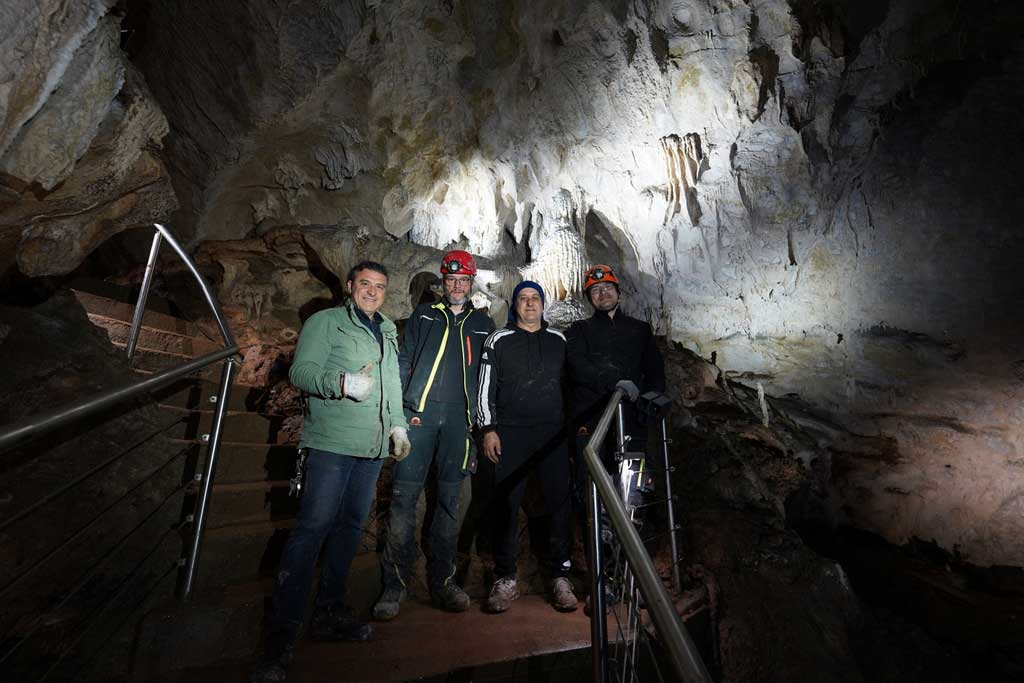
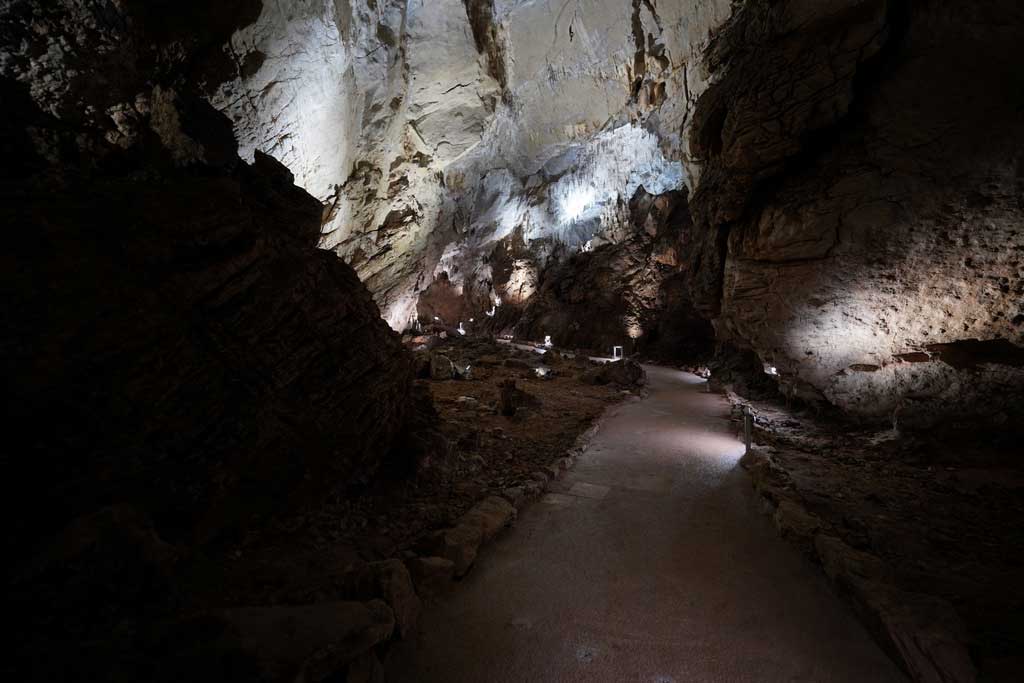
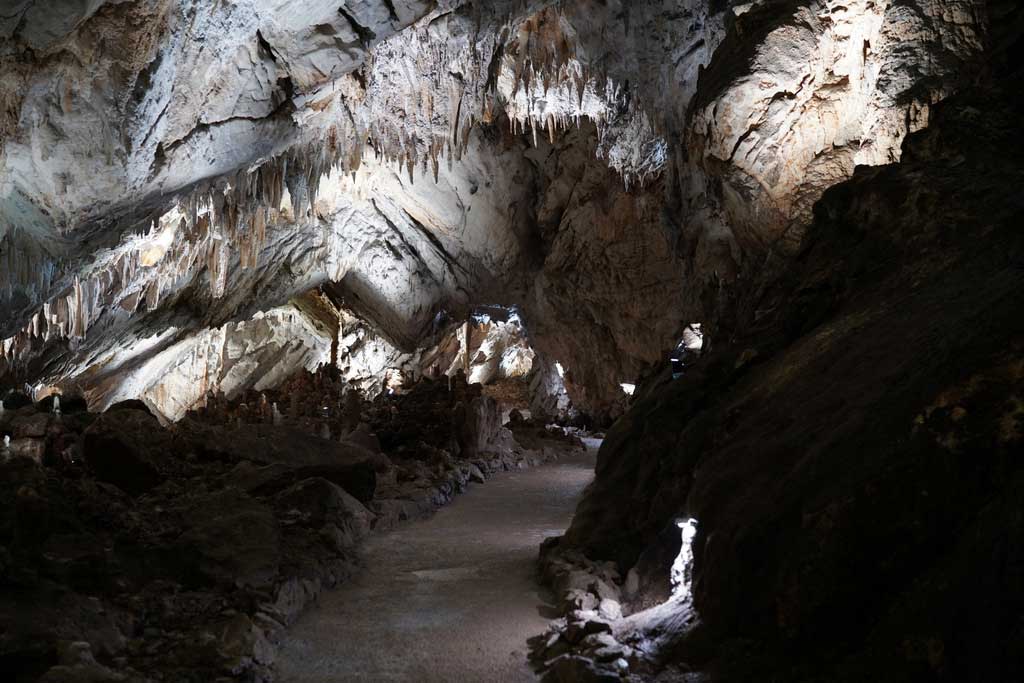
The first phase of the extended maintenance works was carried out between November and December 2025. It focused on the route beginning after the Grande Sala and continuing through the gallery leading to Sala delle Spugne.
This area was selected as the initial intervention zone because it offered a clearly defined section of the visitor route where both functionality and presentation could be significantly improved.
Scope of the Works
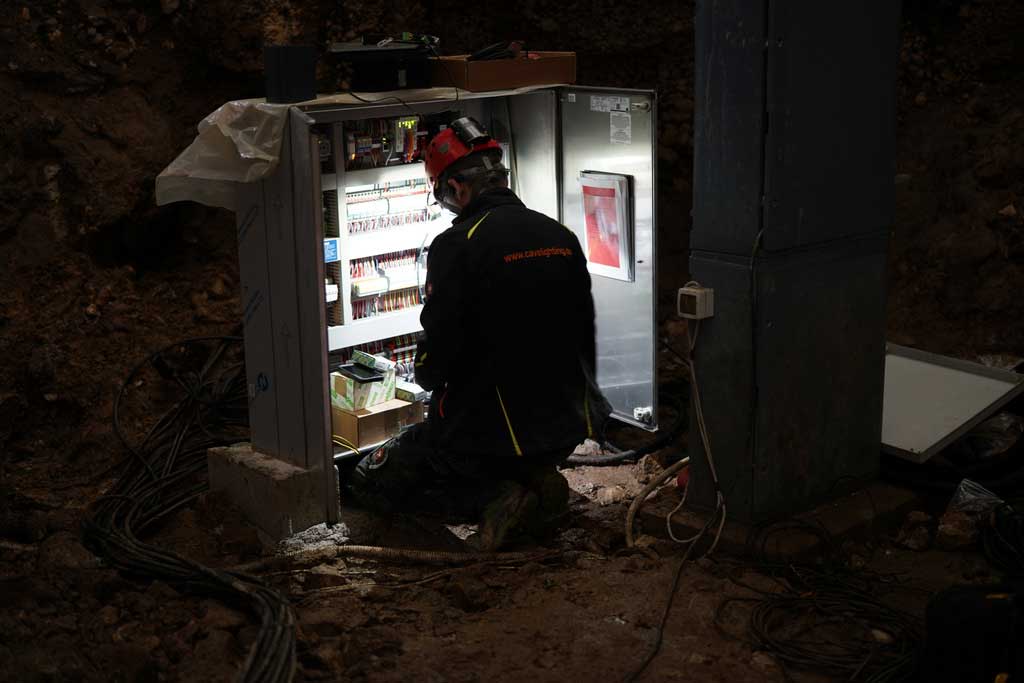
The works included the removal of selected old luminaires, the installation of new lighting fixtures, the creation of new cable routes, the repositioning of luminaires, integration into the control system, the creation of lighting scenes, and final testing and adjustment on site.
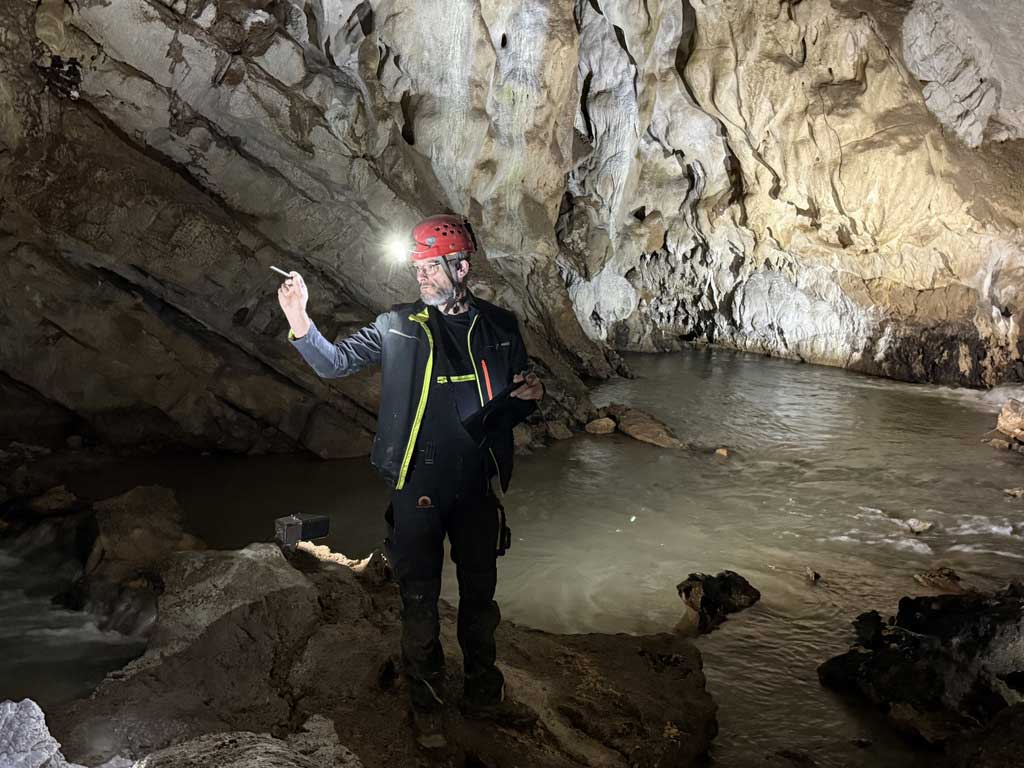
These adjustments were essential, as cave lighting must be refined directly in relation to the real shapes, colours, textures, and distances found underground.
Precision Lighting for a More Natural Atmosphere
The new lighting solution combines cold white luminaires, neutral white luminaires, outdoor-rated pathway luminaires, and a small number of RGBW fixtures.
The beam angles were selected according to the specific task of each luminaire, generally using controlled optics such as 10°, 20°, or 40°. This allowed the light to be directed more precisely, reducing unnecessary brightness and helping to create a clearer visual structure within the cave.
Light and Shadow as a Scenic Tool
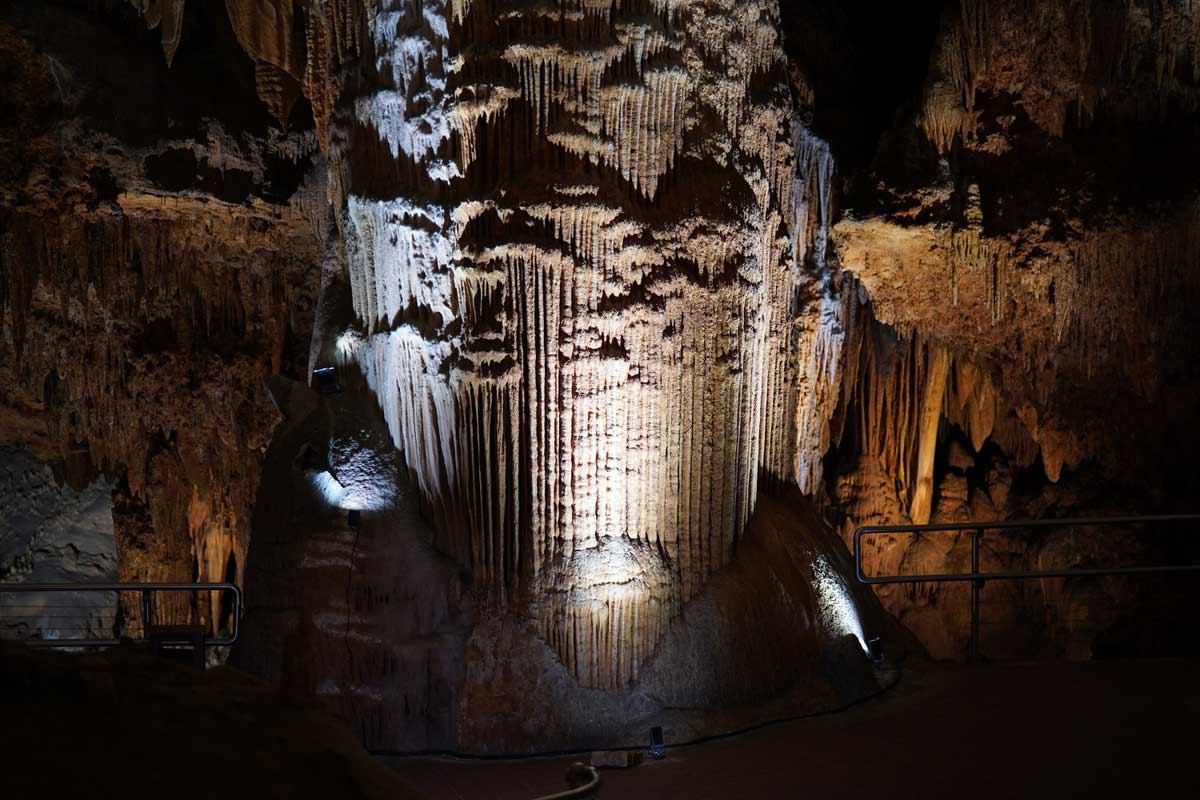
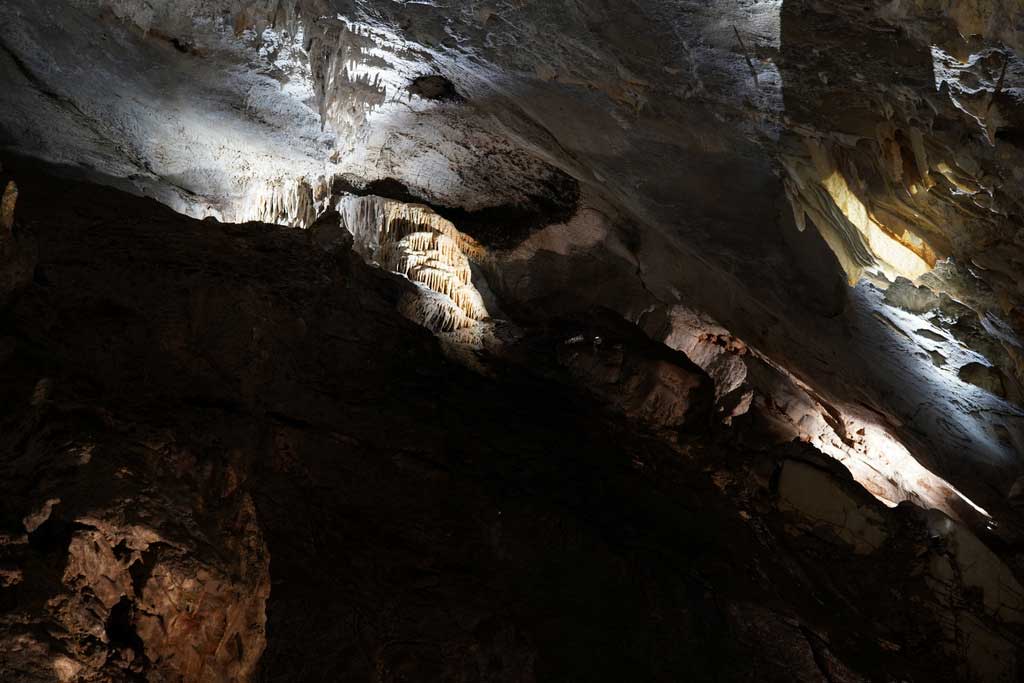
The first part of the gallery after the Grande Sala, together with Sala delle Spugne, received a scenographic lighting treatment.
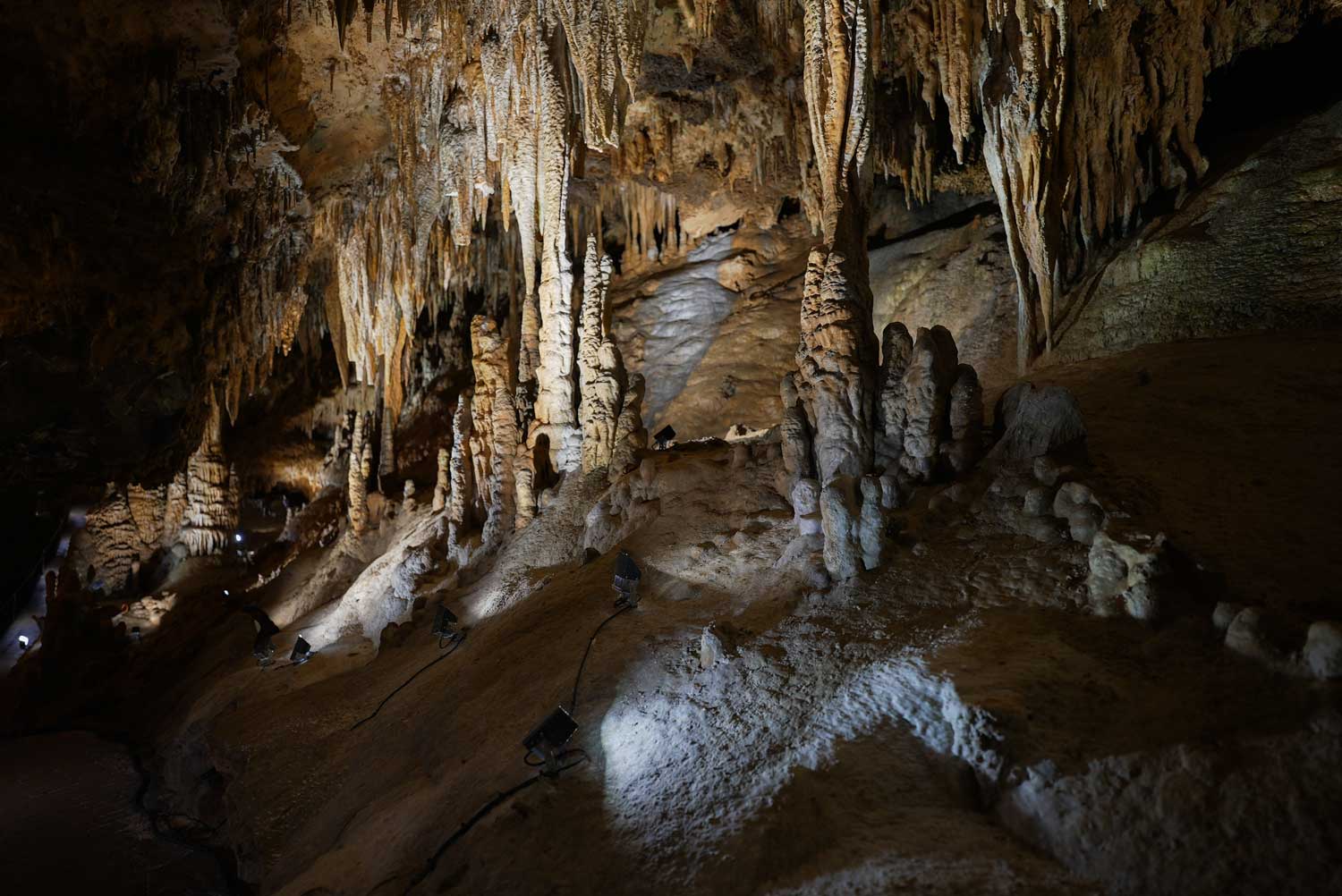
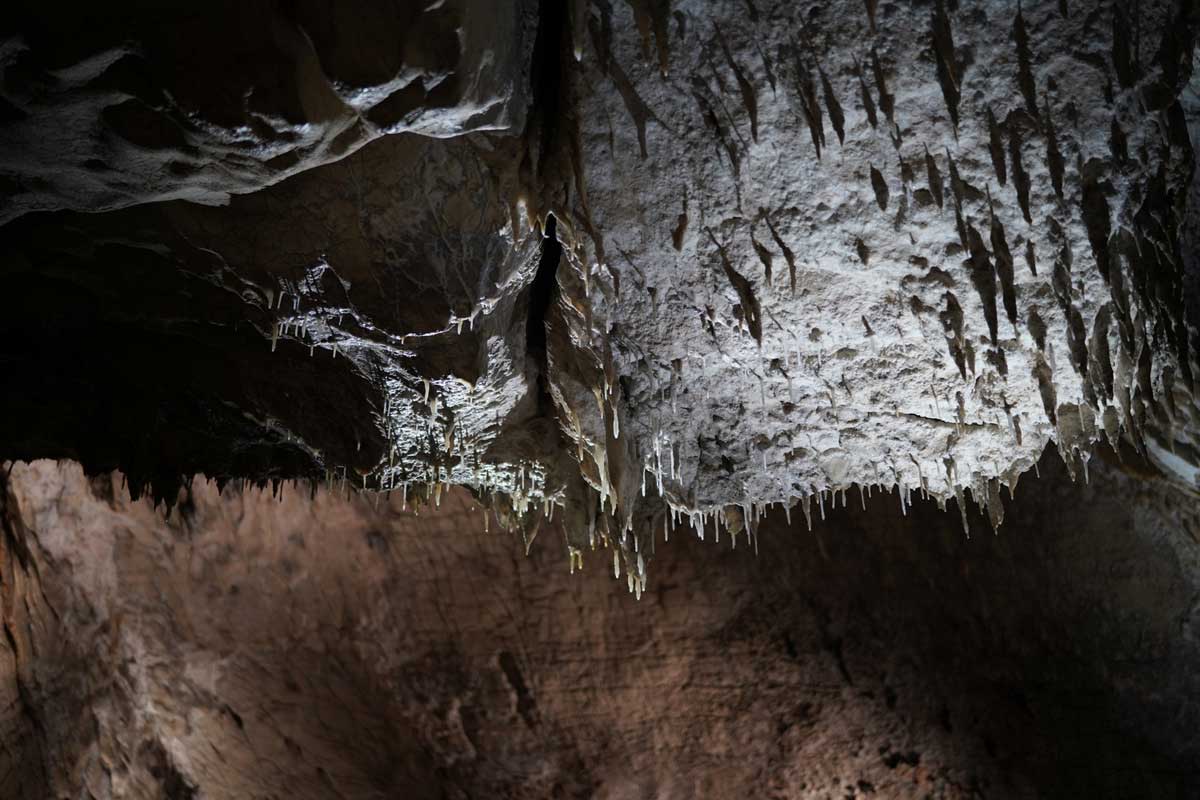
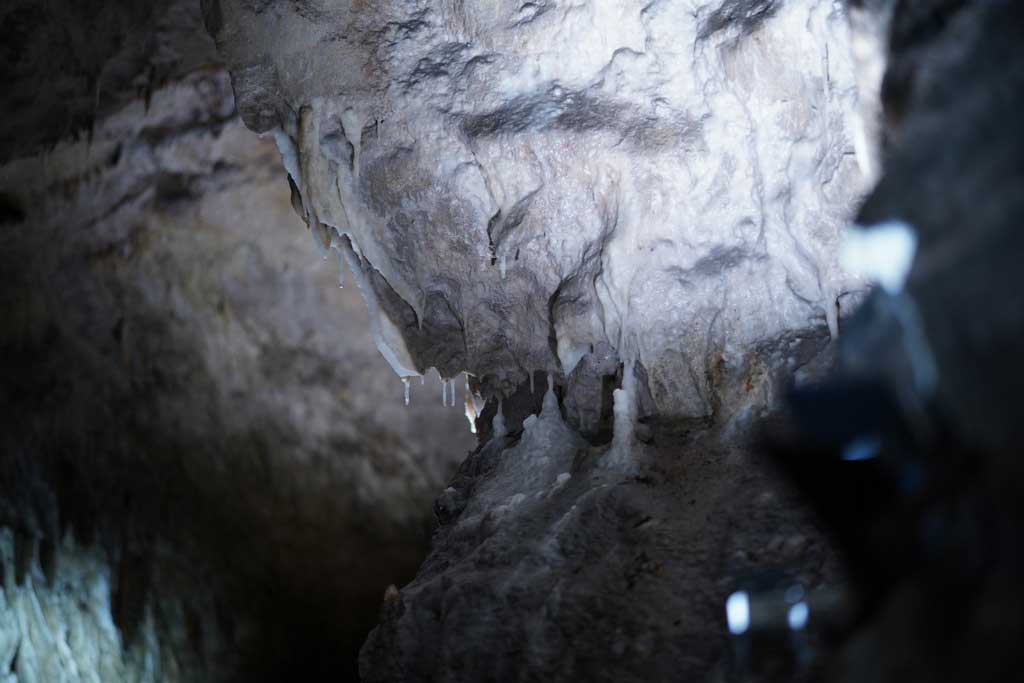
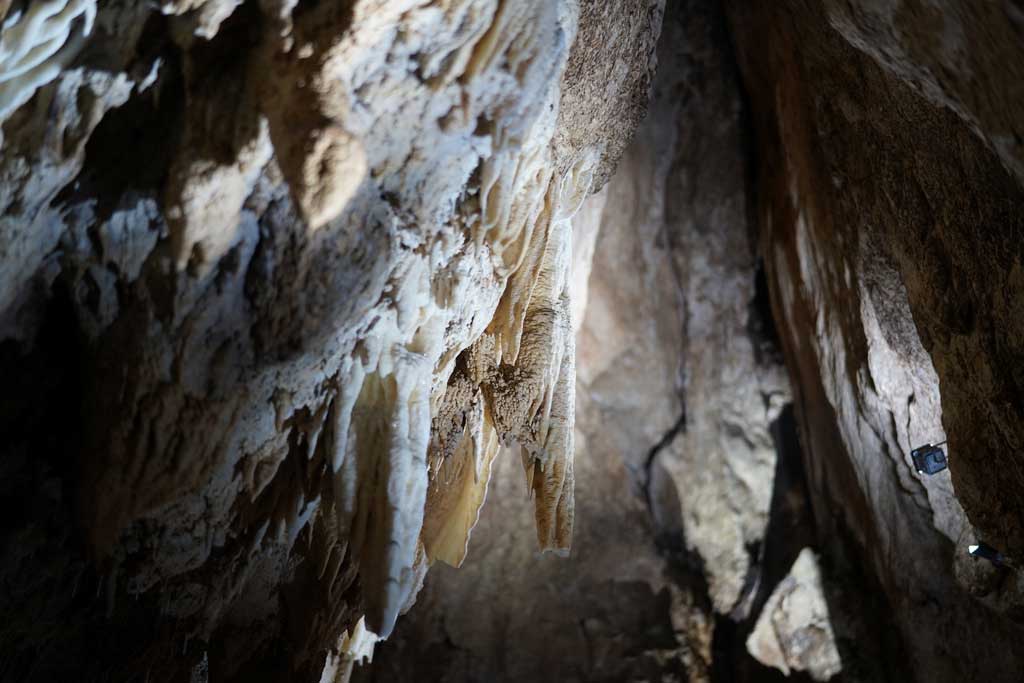
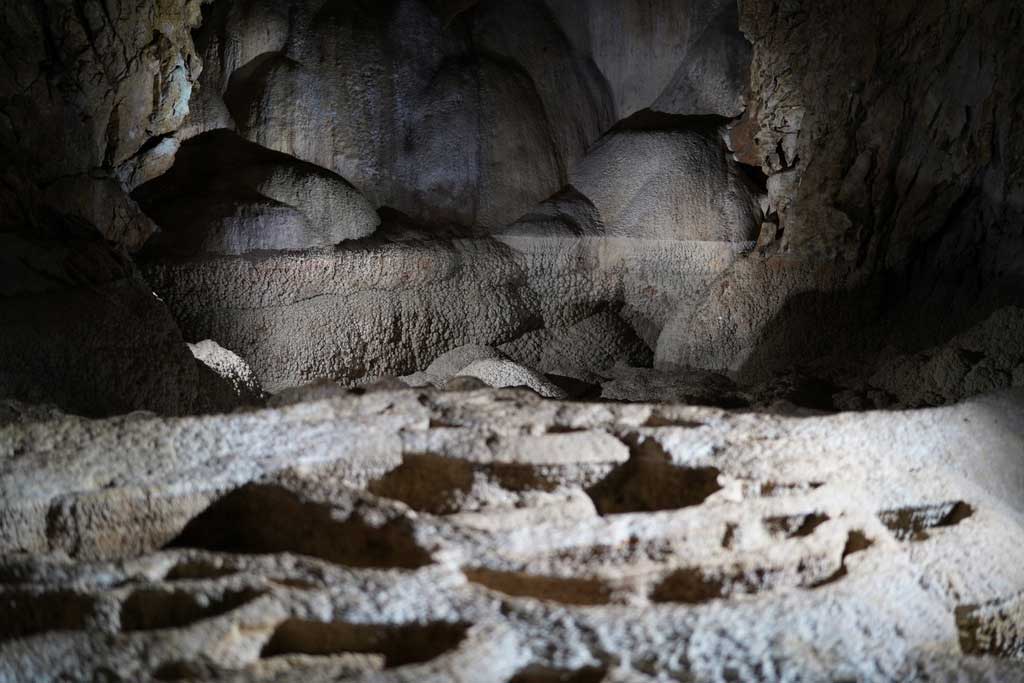
Light and shadow are used intentionally to reveal stalactites, stalagmites, concretion-covered walls, the profile and height of the gallery, and the overall volume of the hall. Even wall sections without strong calcite formations are now treated as part of the cave’s visual identity, with their textures, colours, and relief made more legible.
Safety Without Over-Illumination
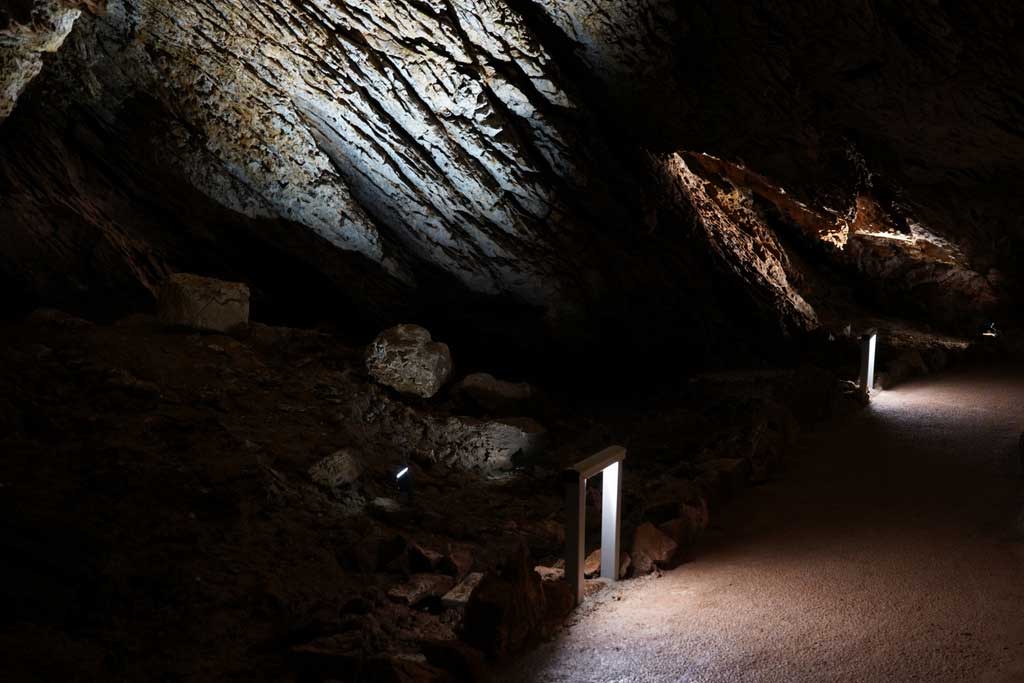
The pathway lighting was designed to be clear and safe, but deliberately restrained. The aim was to provide sufficient visibility for visitors without flooding the cave with unnecessary light.
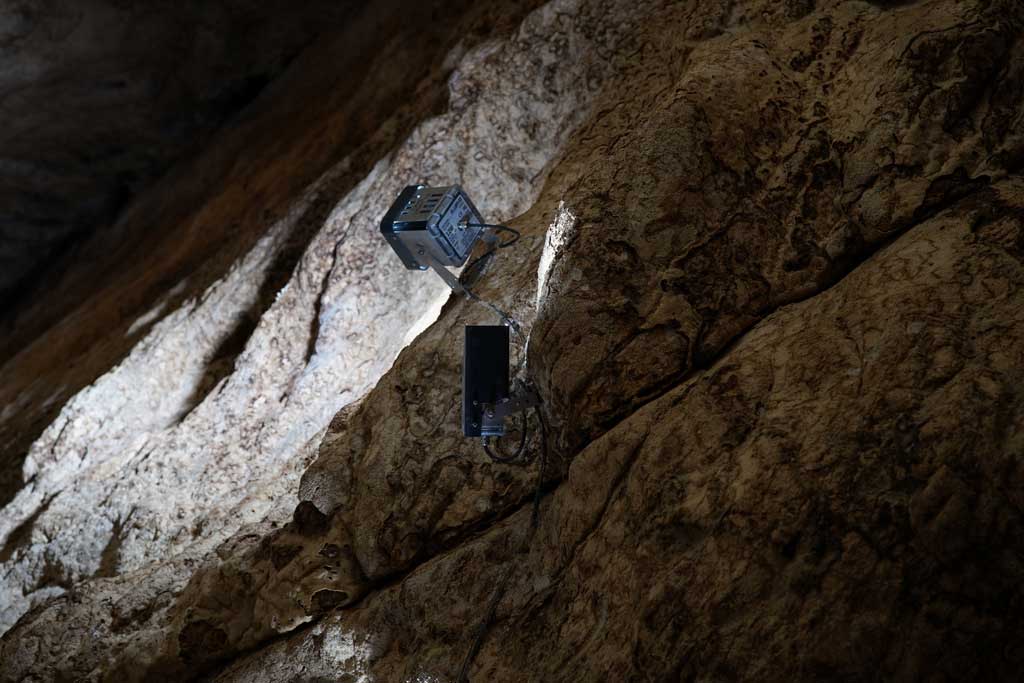
The lighting is operated by the guide through three control points and three radio-receiver units, allowing the visit to be managed in a structured and controlled way.
A Clearer, Deeper, More Immersive Visit
The result is a more comfortable and engaging visitor experience. The gallery and Sala delle Spugne are now easier to understand visually, with improved depth, clearer formations, and a more natural atmosphere.
At the same time, the installation is less intrusive, more efficient, and better adapted to future maintenance.
4. Phase Two: Enhancing Sala del Paradiso – February–March 2026
Extending the Lighting Strategy
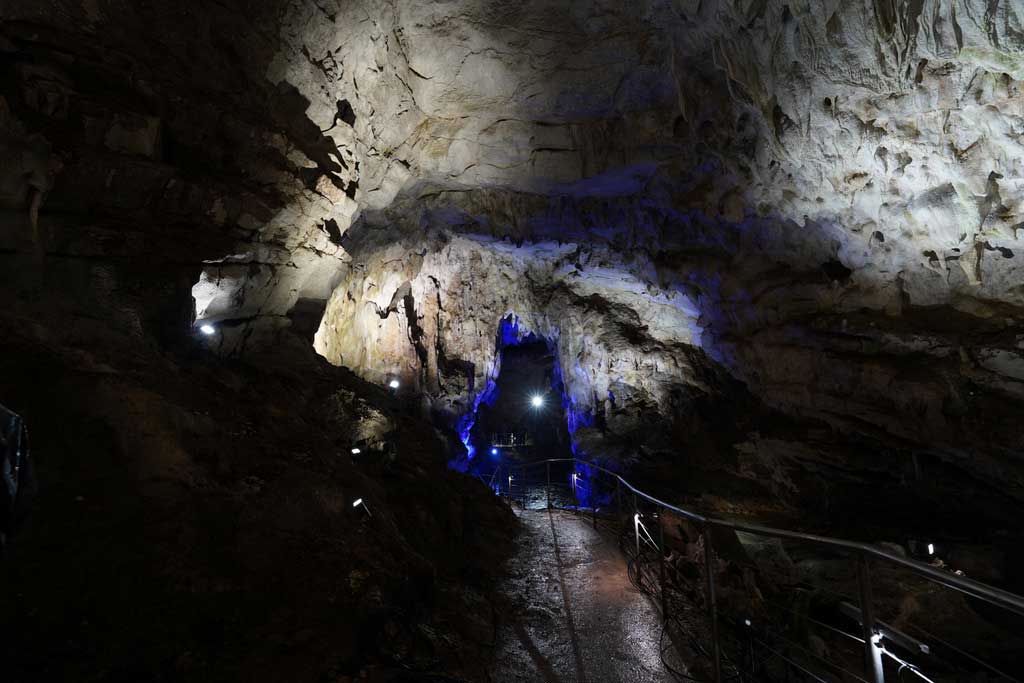
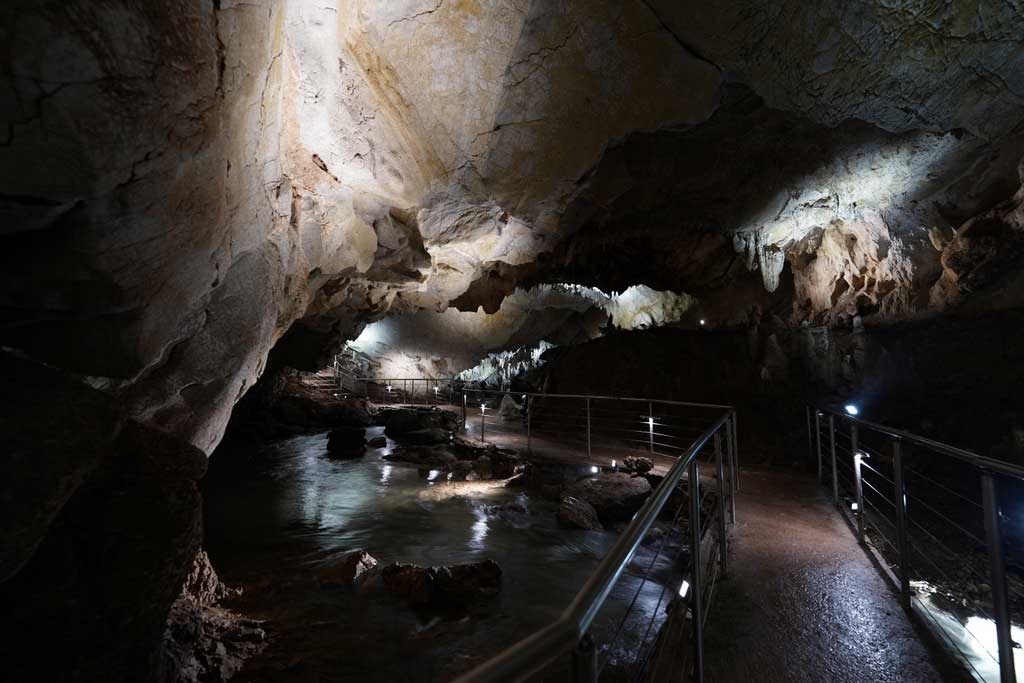
The second phase of the extended maintenance works was carried out between February and March 2026. It focused on Sala del Paradiso and on the access gallery leading from the waterfall area to the hall.
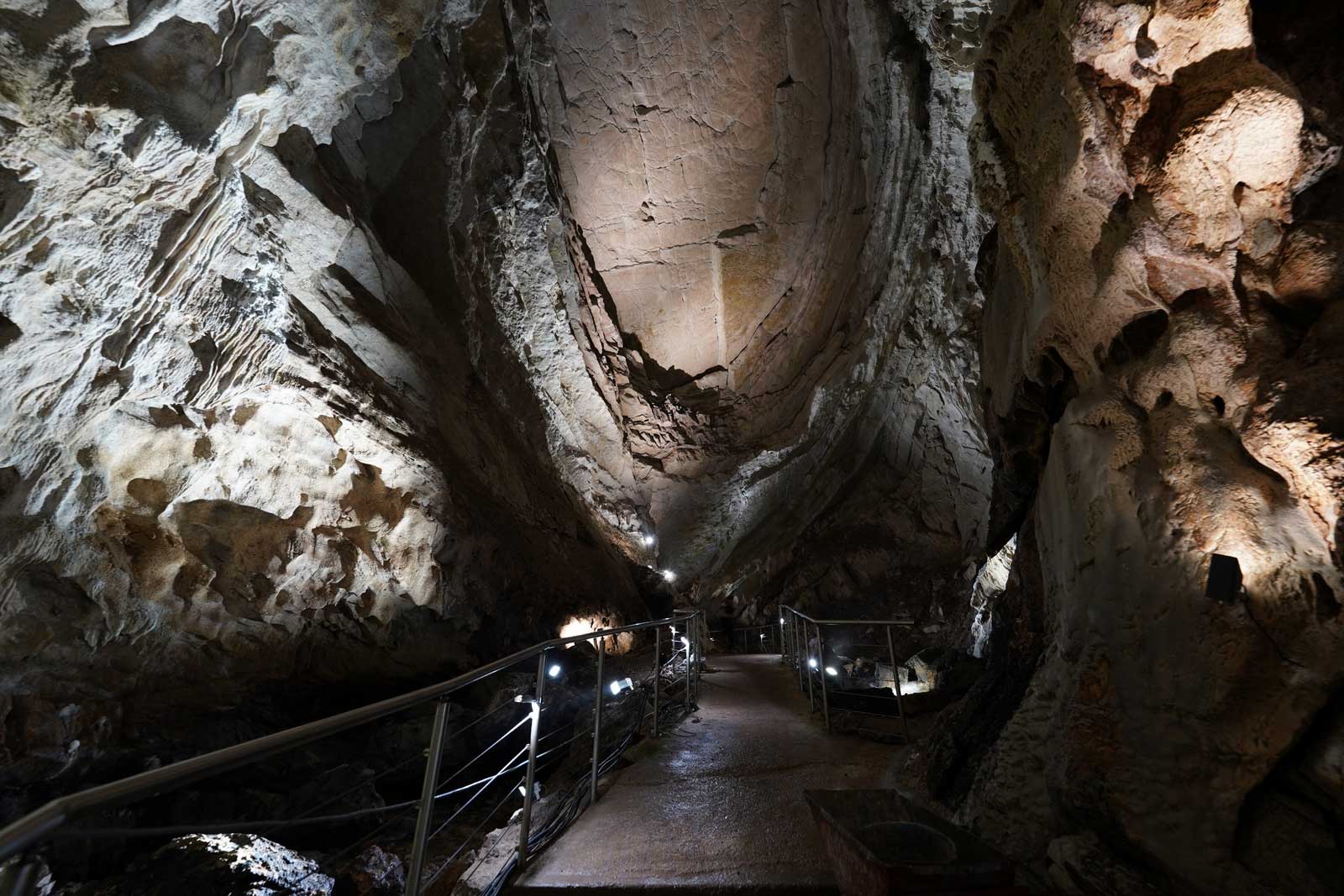
Although Sala del Paradiso itself is not one of the largest spaces in the cave, it contains a large number of concretions, and the access gallery is wide and high, making it an important visual sequence within the visitor route.
A Consistent Method Adapted to Each Space
The intervention followed the same general approach used in the first phase. Selected old fixtures were removed, new luminaires were installed, new cable routes were created, and the lighting equipment was repositioned according to the spatial character of the gallery and the hall.
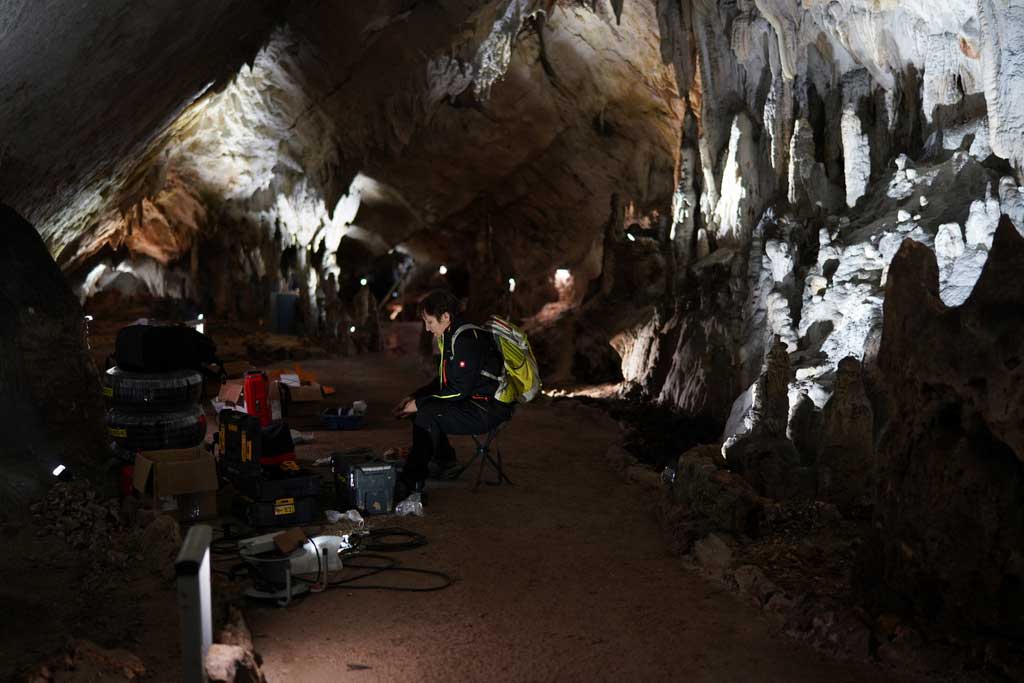
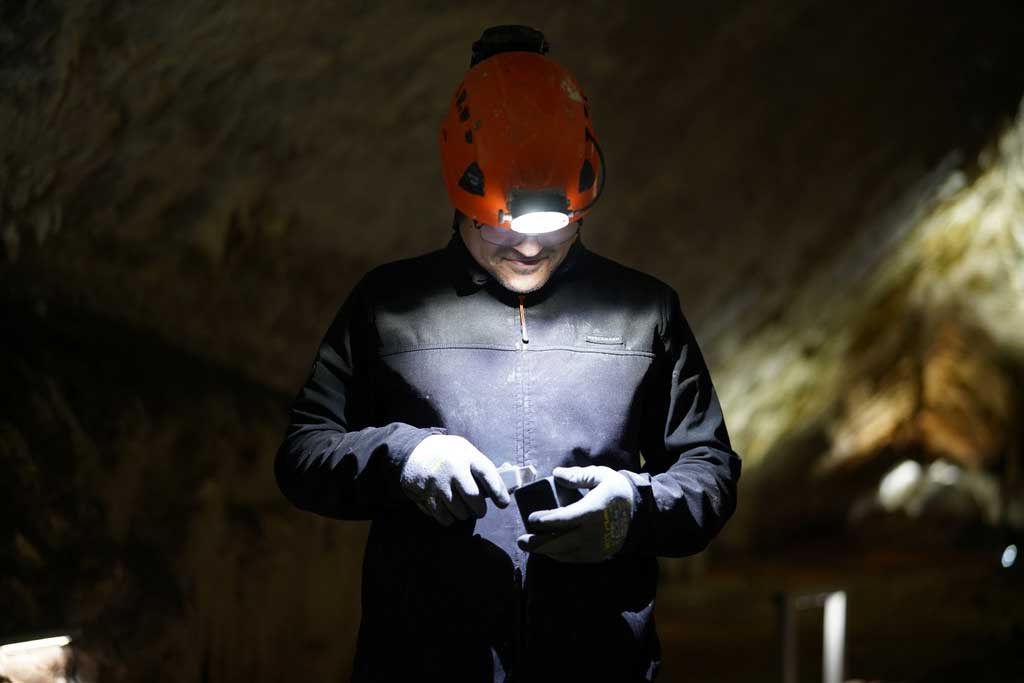
The system was integrated into the control infrastructure, lighting scenes were created, and final tests and adjustments were carried out directly on site.
A Carefully Balanced Lighting Installation
For this second phase, the new lighting solution included 65 cold white luminaires, 6 neutral white luminaires, 26 outdoor-rated luminaires, 39 outdoor-rated pathway luminaires, and 5 RGBW luminaires for selected scenic effects.
The use of more controlled beam angles allowed the lighting to be directed only where needed, supporting the visual quality of the visit.
Giving Depth to the Gallery and Definition to the Hall
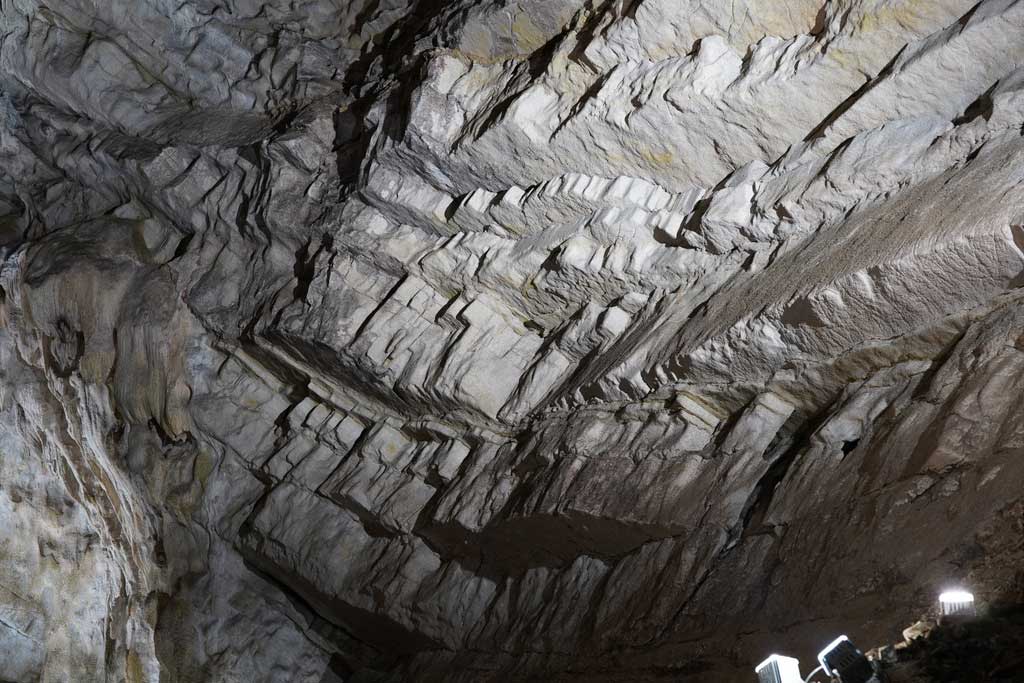
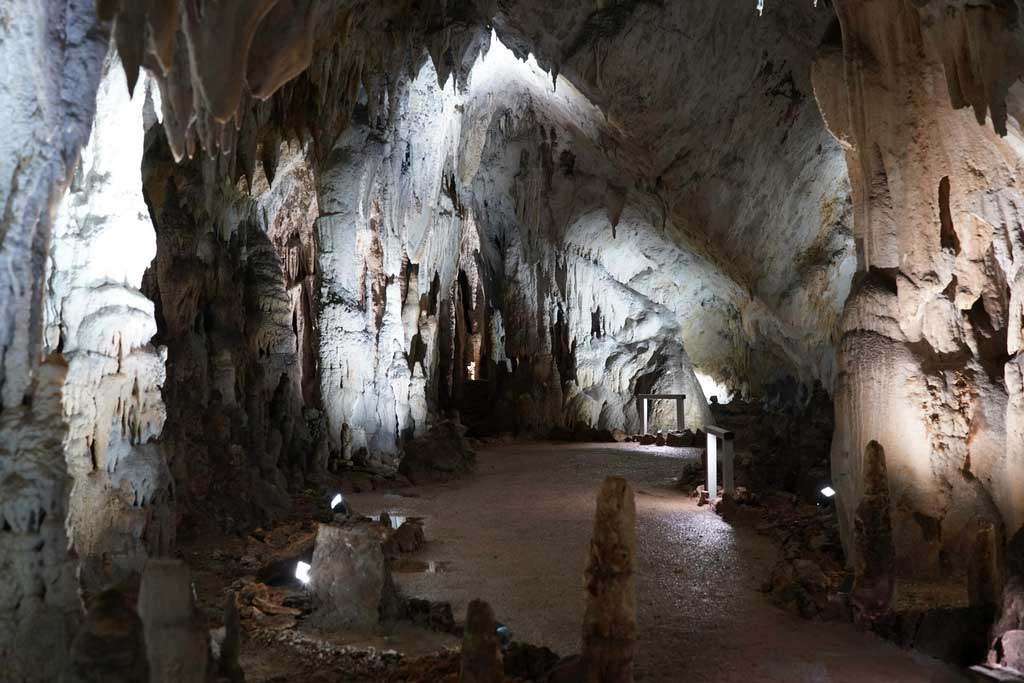
The new lighting enhances the height and profile of the access gallery, the textures of the rock walls, the visible relief of the cave surfaces, and the formations within Sala del Paradiso.
The pathway is clearly illuminated, but with restrained light levels, so that visitors can move safely while the surrounding cave remains shaped by directed light and shadow.
The result is a more expressive and balanced visitor experience. The transition from the waterfall area toward Sala del Paradiso is now clearer and more atmospheric, while the hall itself benefits from better visual definition.
Rock textures, natural colours, and spatial depth are easier to perceive, and the renewed installation remains more discreet, reliable, and easier to maintain.
5. Next Steps: Extending the Renovation Across the Cave
A Gradual Extension of the Lighting Strategy
Following the interventions in Sala delle Spugne, the access gallery from the Grande Sala, Sala del Paradiso, and the gallery leading from the waterfall, the next step is the gradual continuation of the extended maintenance works in the remaining sections of the Pertosa-Auletta Caves.
The work already completed provides a practical reference for the future development of the visitor route.
Renewal, Repositioning, and Technical Improvement
The planned continuation will follow the same principles applied in the first two phases. Unsuitable and obsolete luminaires will be removed, cable routes will be renewed or improved, and lighting fixtures will be repositioned according to the specific character of each chamber, gallery, and passage.
Particular attention will continue to be given to reliability, waterproofing, and the reduction of maintenance requirements in the humid cave environment.
Lighting That Follows the Visitor Route
A central objective will be to improve control over the lighting during guided tours. Instead of keeping large areas illuminated continuously, the future system should allow the lighting to support the actual movement of visitors through the cave.
This will help reduce unnecessary lighting time, limit conditions that encourage lampenflora growth, and improve the overall efficiency of the installation.
Revealing More by Lighting Less
The future lighting approach will not aim to illuminate the cave uniformly. Instead, it will use carefully directed light to reveal selected natural features while preserving areas of shadow.
Larger chambers may require lighting that enhances volume and depth, while narrower passages can benefit from more controlled and subtle illumination. Formations, rock profiles, wall textures, water-related elements, and natural colour variations will be highlighted selectively.
A Safer, More Efficient and More Respectful Cave Experience
The continuation of the extended maintenance program will therefore complete the transition toward a more reliable, efficient, and sensitive visitor-route lighting system.
The final goal is to improve safety, reduce maintenance issues, limit unnecessary environmental impact, and strengthen the scenic quality of the visit throughout the Pertosa-Auletta Caves.