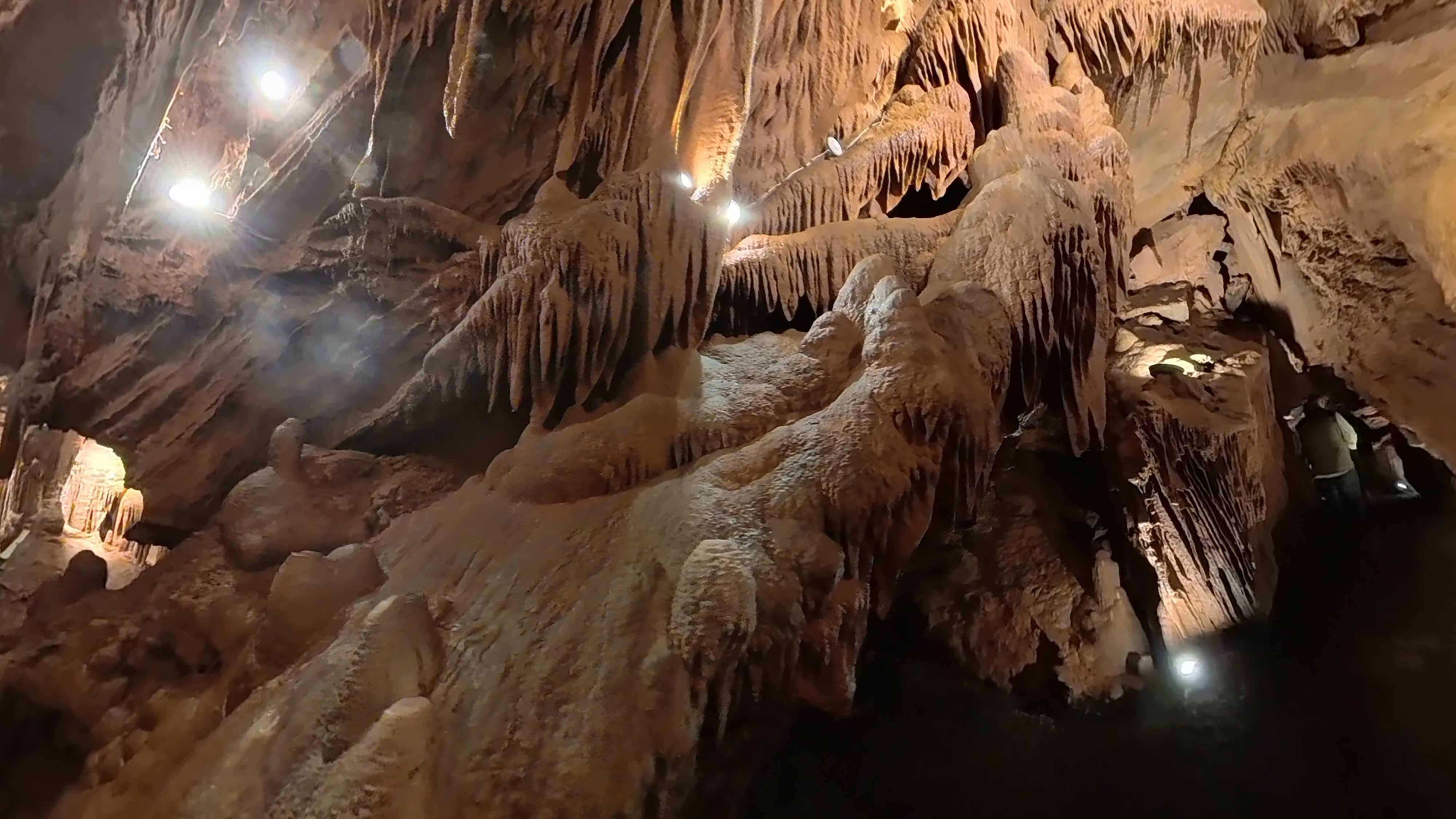
Business Trip Report: Show Cave Visits and Lighting Projects in the United States
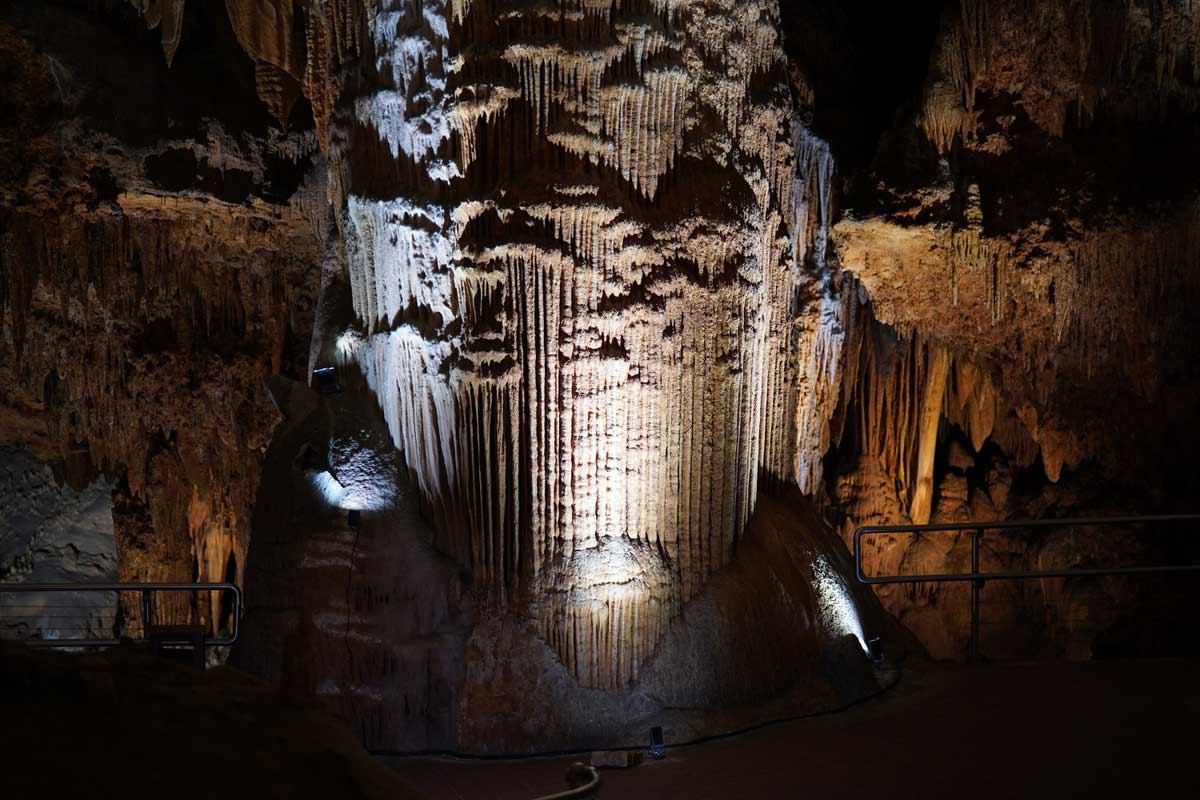
Business Trip Report: Show Cave Visits and Lighting Projects in the United States
| Date of trip: | April 2026 |
| Participants: | Alexander Chrapko, Lubov Chrapko |
| Locations in the U.S: | Colorado, Virginia, Pennsylvania |
| Destinations: | Glenwood Caverns, Luray Caverns |
1. Background and Start of the Trip.
In October 2025, during the NCA Convention, we arranged a tour of Glenwood Caverns with Kathy Miller. In addition, the first phase of the new lighting system installation at Luray Caverns had been completed in March, making it necessary to review the results on site and discuss the second phase of the installation with the cave management.
This is what led us to undertake a business trip to the United States on April 12, with planned destinations in Colorado and Virginia.
As we had a considerable amount of free time during the trip, we wanted to use it in a meaningful way. As a result, we visited 9 show caves across three states. We have therefore decided to share our impressions with you.
2. Colorado
The primary objective of the business trip to Colorado was to spend three days at Glenwood Caverns developing the new lighting concept, conducting detailed data collection, carrying out cave surveys, and subsequently continuing on to Virginia.
|
Cave |
Glenwood Caverns |
|
Show cave since |
1895 |
|
Brief description |
High-altitude tourist cave in Colorado featuring impressive limestone formations, large chambers, and several sections open to the public. The cave is part of a well-known recreation and adventure park above Glenwood Springs. |
|
Length of the tour section |
approx. 1.3 km |
|
Special features |
Known for the “King’s Row” and “Fairy Caves” sections, its spectacular views of the Rocky Mountains, and the combination of a tourist cave and a recreational park. |
We arrived in Colorado on April 12 and spent three days, from April 13 to 15, working at Glenwood Caverns with Kathy Miller and Becca Gabriel. Our conference room sessions alternated with fieldwork in the caves, which kept the schedule dynamic and productive, while also creating many opportunities to develop new ideas together.
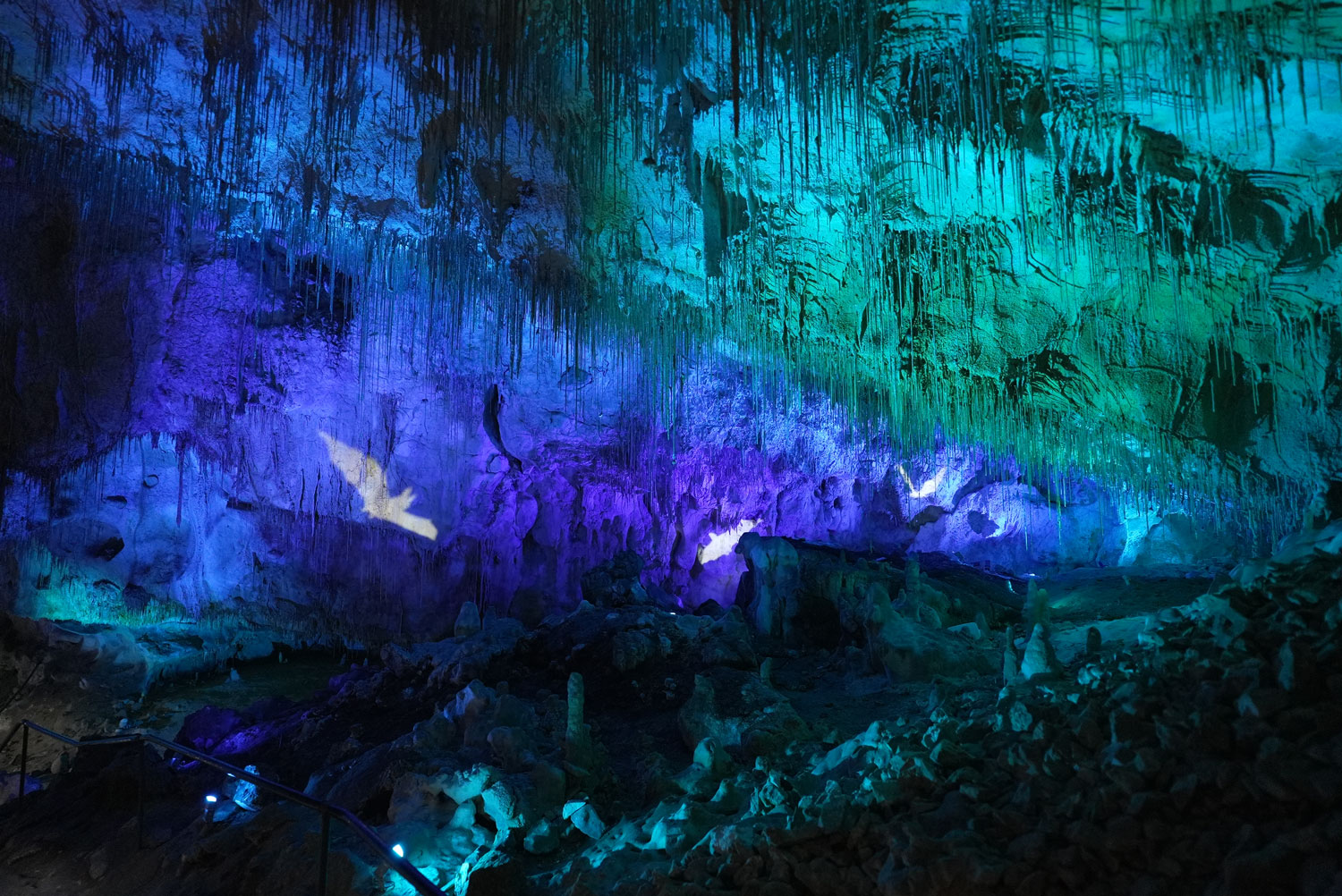
We explored both Kings Row and Fairy Cave, walked through them several times, joined the guided cave tours, and listened to Becca’s narration. By the end of the three days, we had collected all the necessary data. Upon our return to Germany, this information will be compiled into an initial report, with the aim of establishing a preliminary project budget and developing the first technical concepts for the new lighting system.
|
Cave |
Cave of the Winds Mountain Park |
|
Show cave since |
1881 |
|
Brief description |
Historic tourist cave in Colorado featuring extensive limestone passages, varied formations, and guided tours through several different cave areas. |
|
Length of the tour section |
approx. 1 km |
|
Special features |
One of Colorado’s oldest tourist caves; known for its numerous tour options, adventure tours, and location on the edge of the Rocky Mountains. |
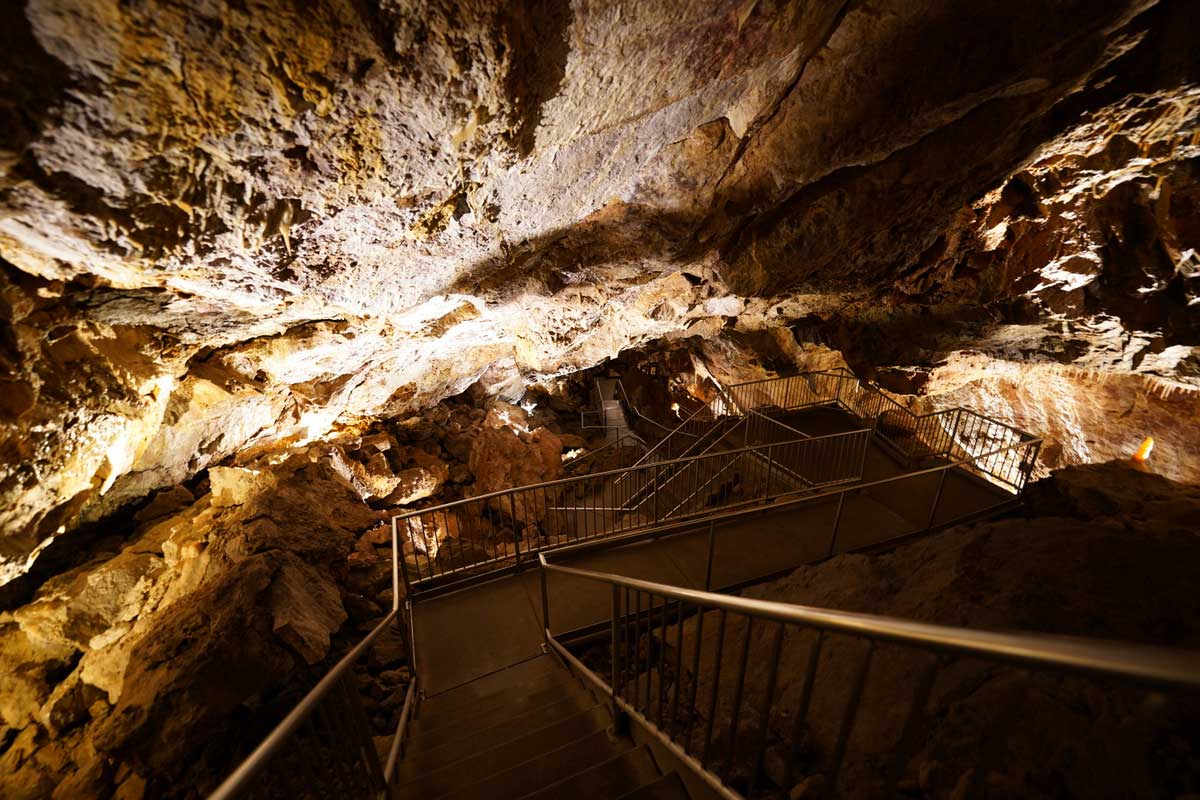
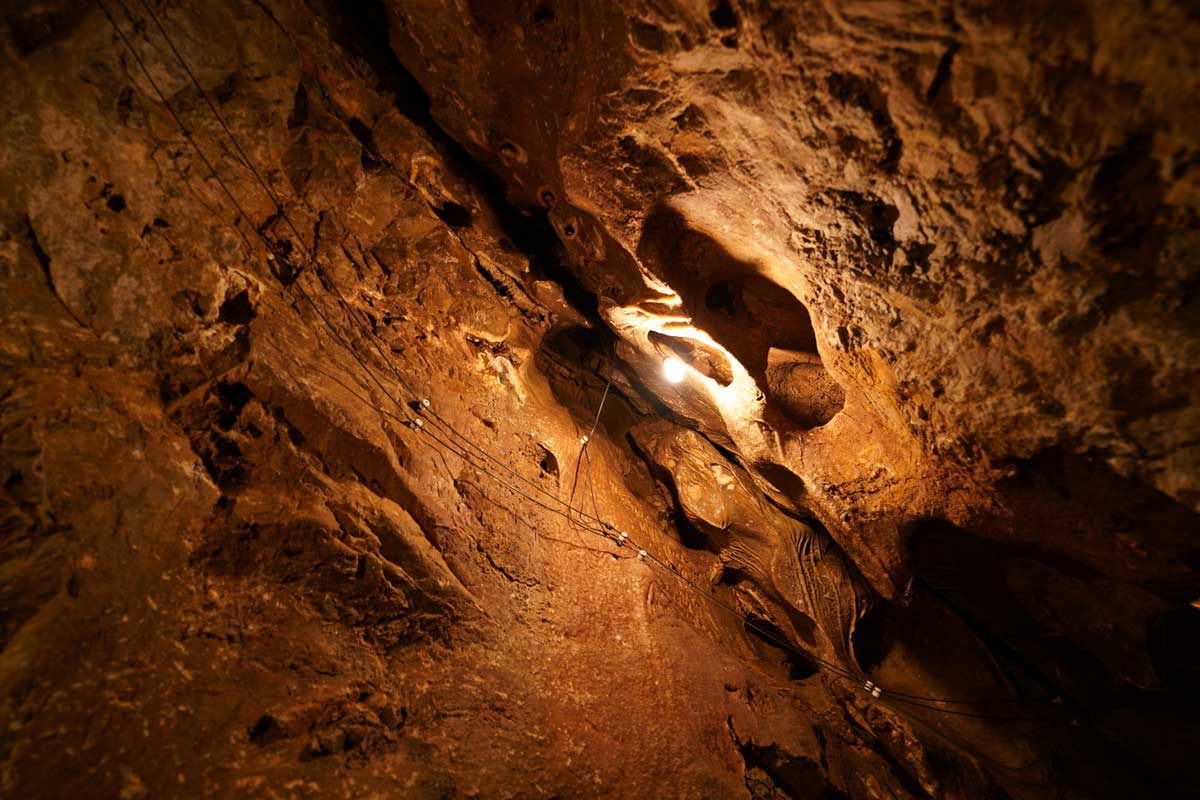
After three days at Glenwood Caverns, we set off for Boulder. Since we had some free time, we decided to make a detour to Colorado Springs to visit Cave of the Winds. Kathy helped us get in touch with the cave management, and we were able to join a regular guided tour of the cave.
The tour was excellent. Our cave guide was outstanding, which largely compensated for the aging lighting system in the show cave.
After spending a week in Colorado under very wintry conditions, we arrived in Virginia. We had to adjust to a sharp temperature change, from 42°F to 82°F, but that is fairly typical for the United States.
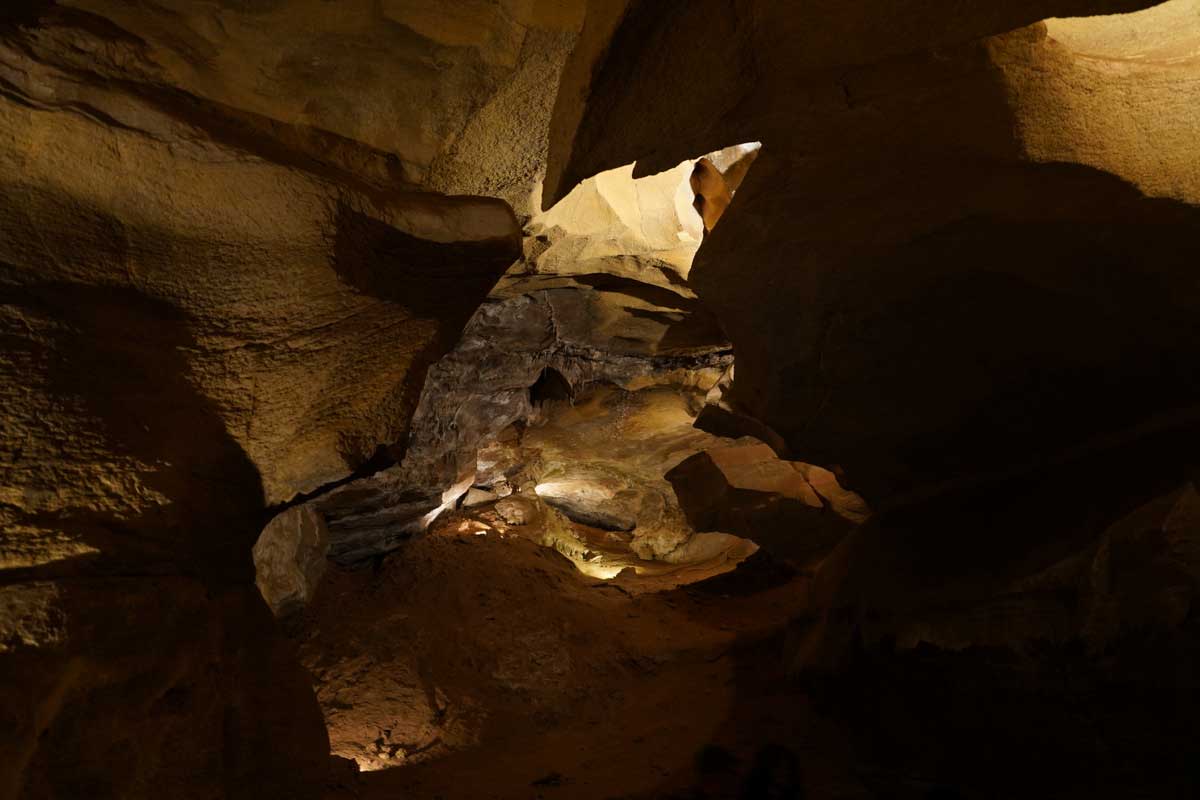
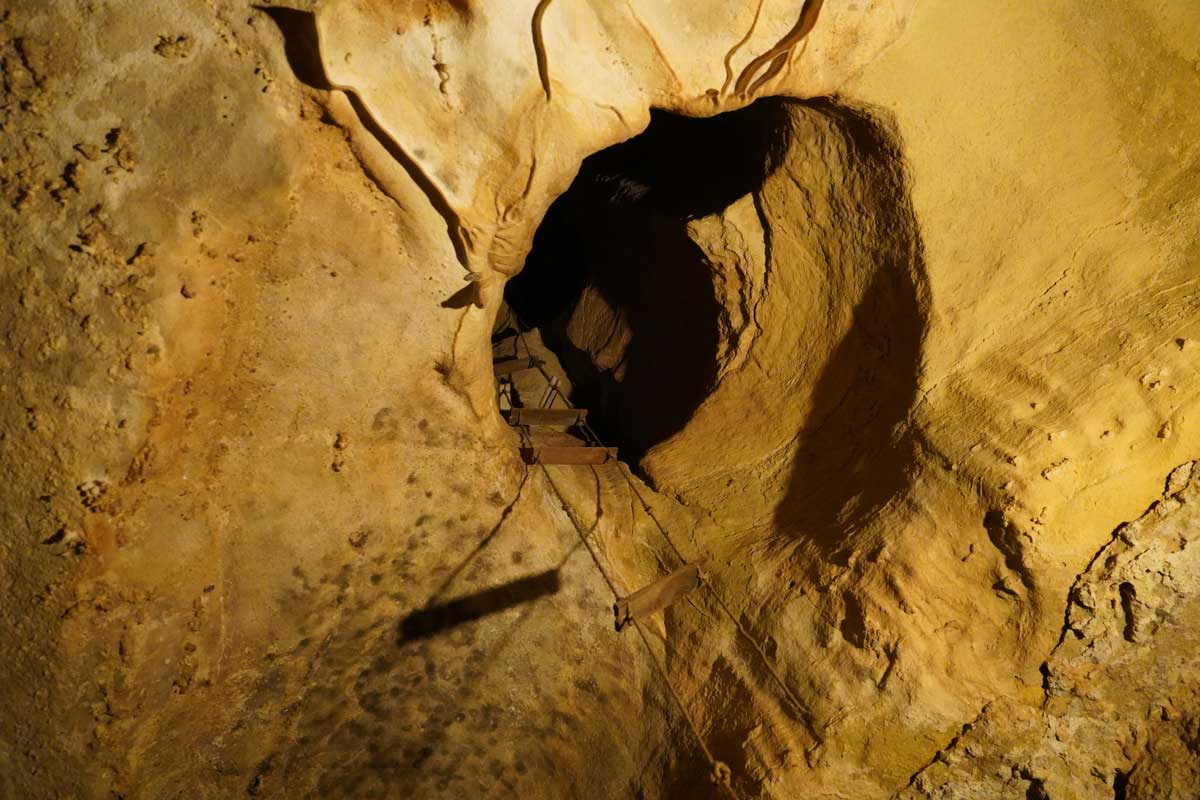
On the first day, there were no caves on the schedule, but we finally had the opportunity to visit two museums at Luray Caverns. On Sunday, we first visited the Classic Car Museum, followed later by the Open-Air Museum. We were very fortunate that Isabel Graves had time to give us a guided tour.
|
Cave |
Luray Caverns |
|
Show cave since |
1878 |
|
Brief description |
The most famous and largest tourist cave in the eastern United States, featuring massive underground chambers, impressive stalactite formations, and elaborately designed visitor trails. The cave is considered one of Virginia’s most significant natural landmarks. |
|
Length of the tour section |
approx. 2.4 km |
|
Special features |
Famous for the “Great Stalacpipe Organ,” the world’s largest natural lithophone organ, as well as for its monumental halls and exceptionally well-preserved stalactite formations. |
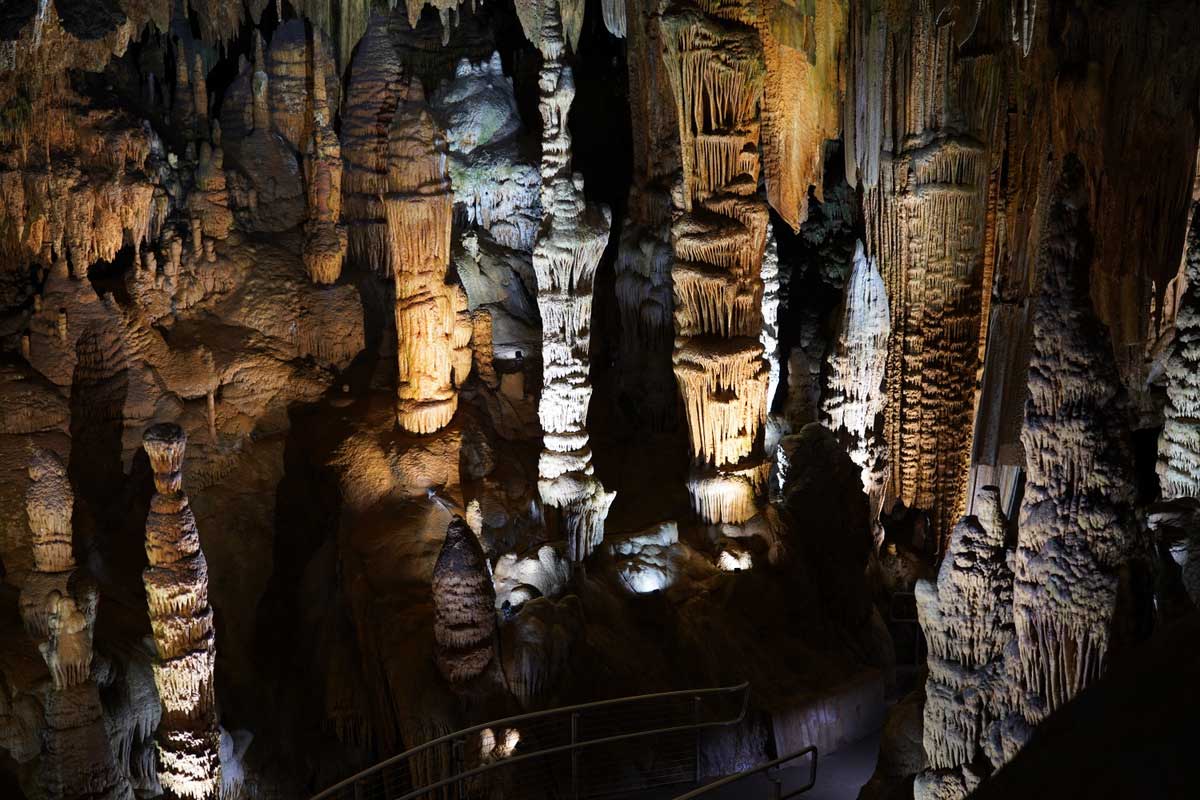
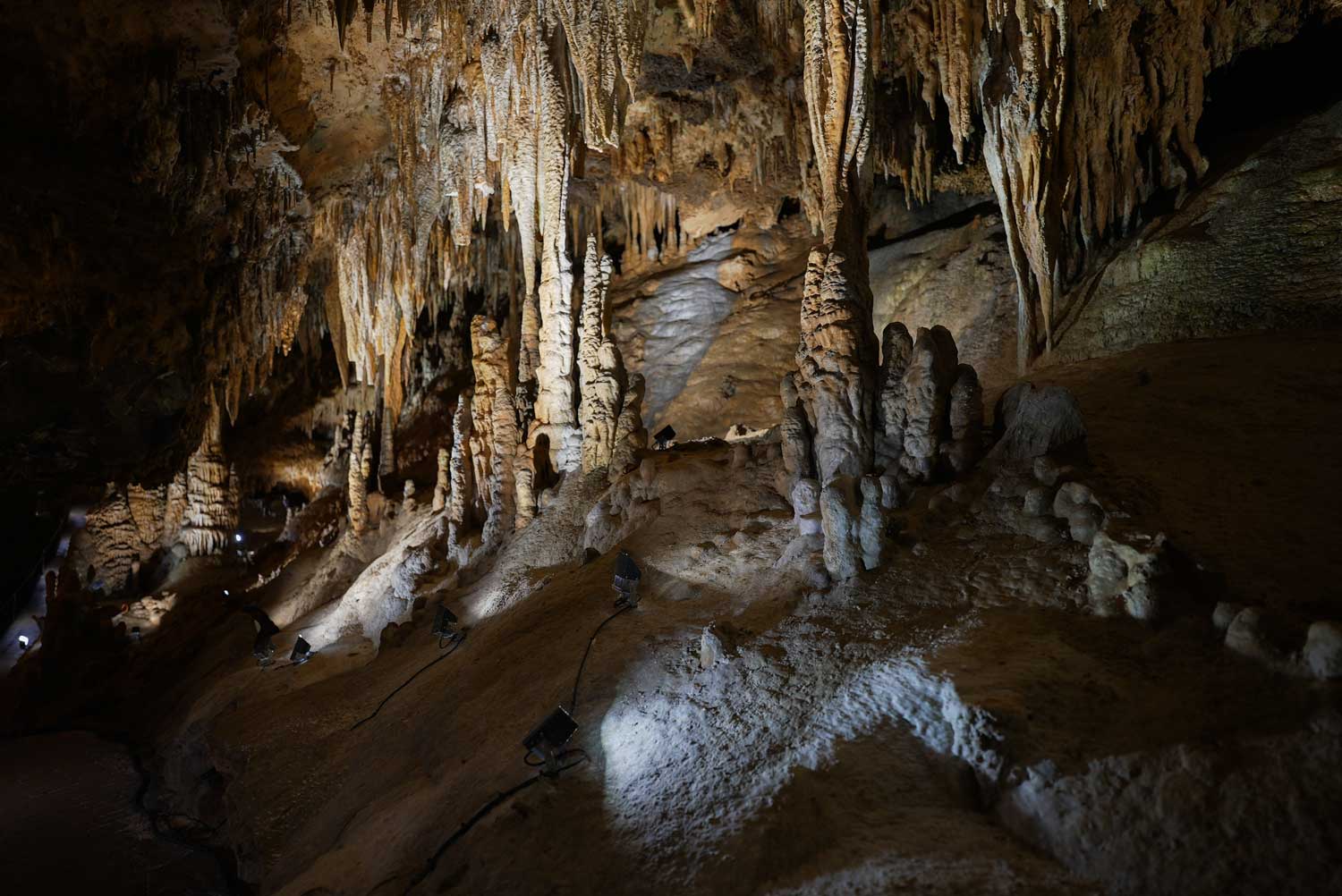
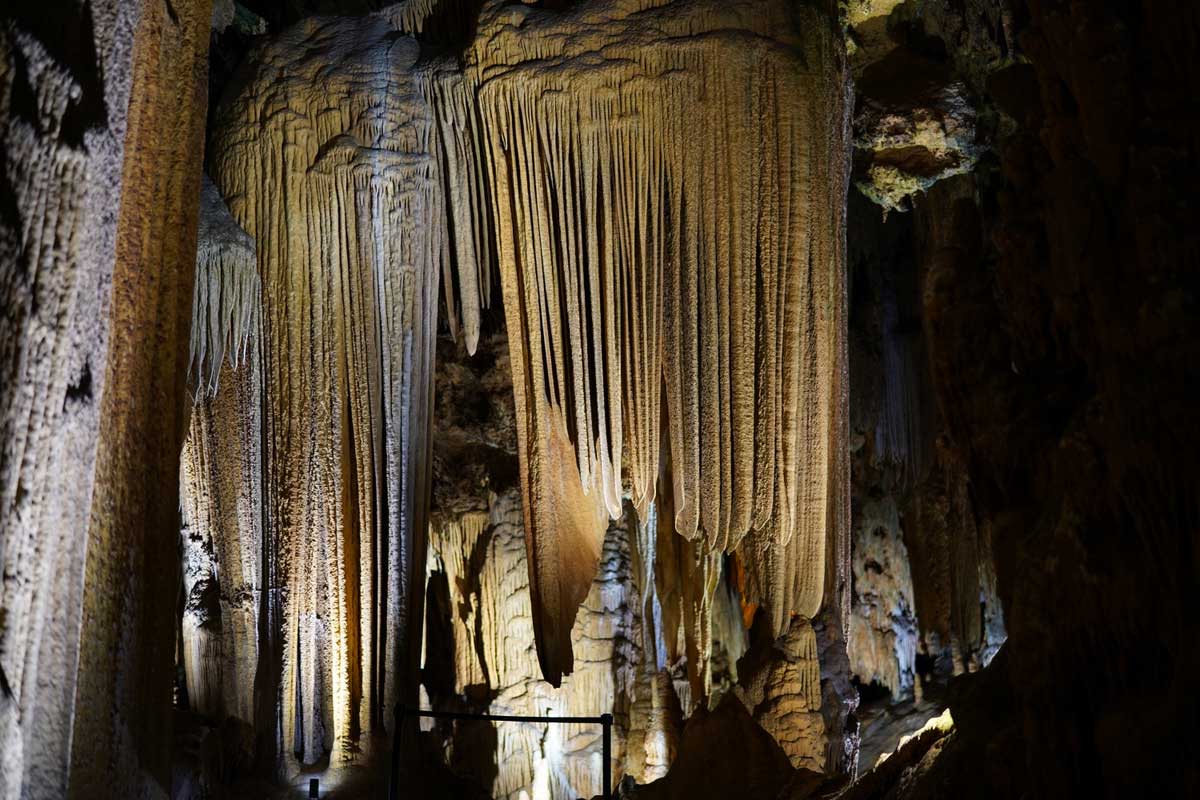
We had ample time to explore the cave under both the new and the old lighting systems, and we had not expected the results to be so impressive. The difference becomes particularly evident upon entering
Cathedral Hall, where the old lighting is still in place. There, the contrast is immediately noticeable: the old lighting appears harsh, overly bright, and too widely dispersed, almost overwhelming visitors’ eyes.
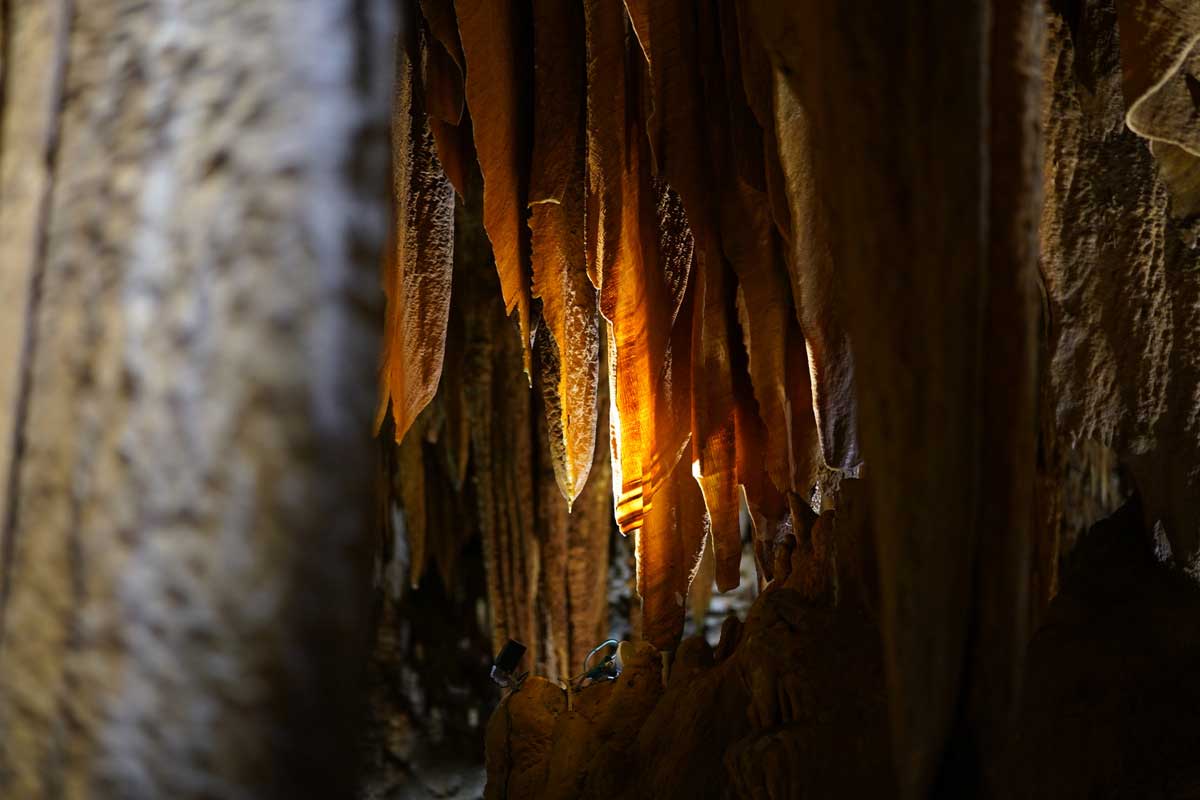
By contrast, the new LED lighting installed by Cave Lighting Team is gentle and soft. It does not feel harsh or glaring, allowing visitors to take their time and fully appreciate the many details of the cave. This is precisely what we value most about it.
The result is truly outstanding, and everyone involved in the project can take pride in what has been achieved. We hope that the second phase of the installation will be just as successful as the first.
|
Cave |
Skyline Caverns |
|
Show cave since |
1939 |
|
Brief description |
A tourist cave in Virginia featuring diverse stalactite formations and several large cavern chambers. The cave is particularly known for its geological features and its location near Shenandoah National Park. |
|
Length of the tour section |
approx. 1.3 km |
|
Special features |
Known for its rare anthodites (“orchid formations”), which occur in only a few caves worldwide; historic tourist cave with classic tourist infrastructure. |
Virginia surprised us: we had not realized there were so many show caves located near Luray Caverns. This gave us the opportunity to discover several other caves, over the course of two days.
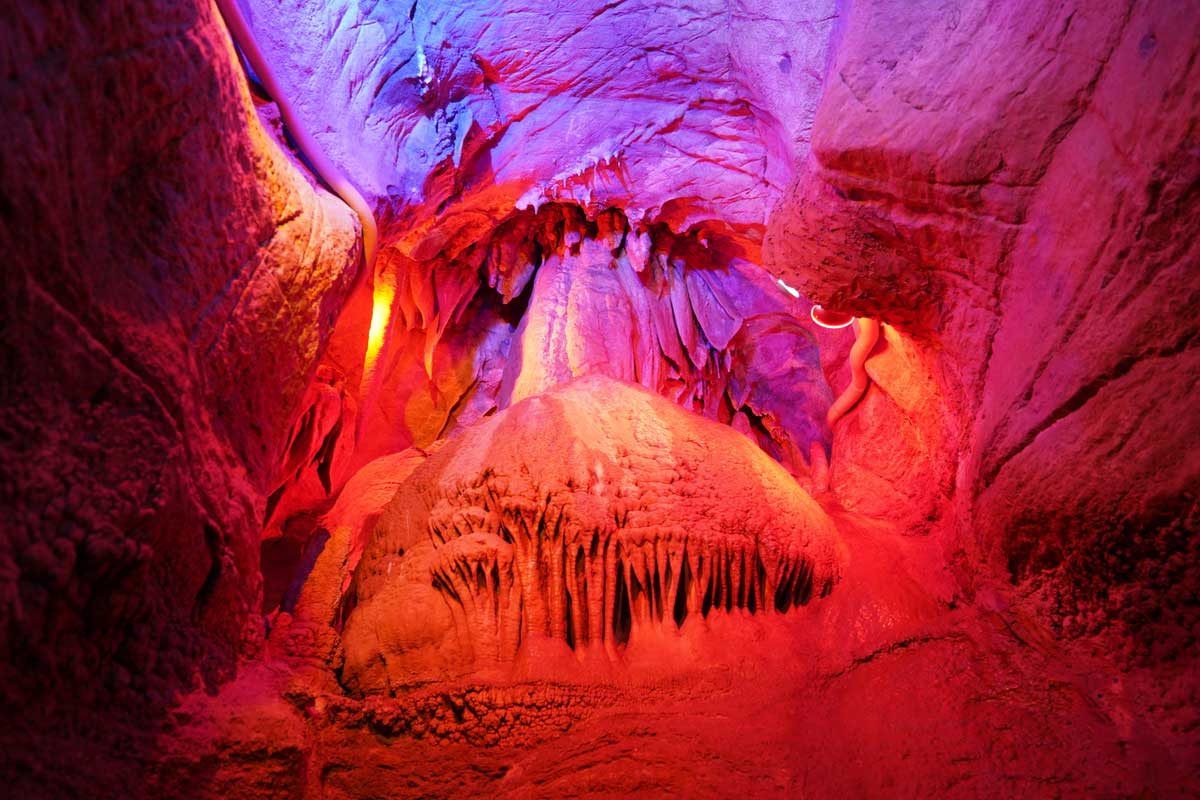
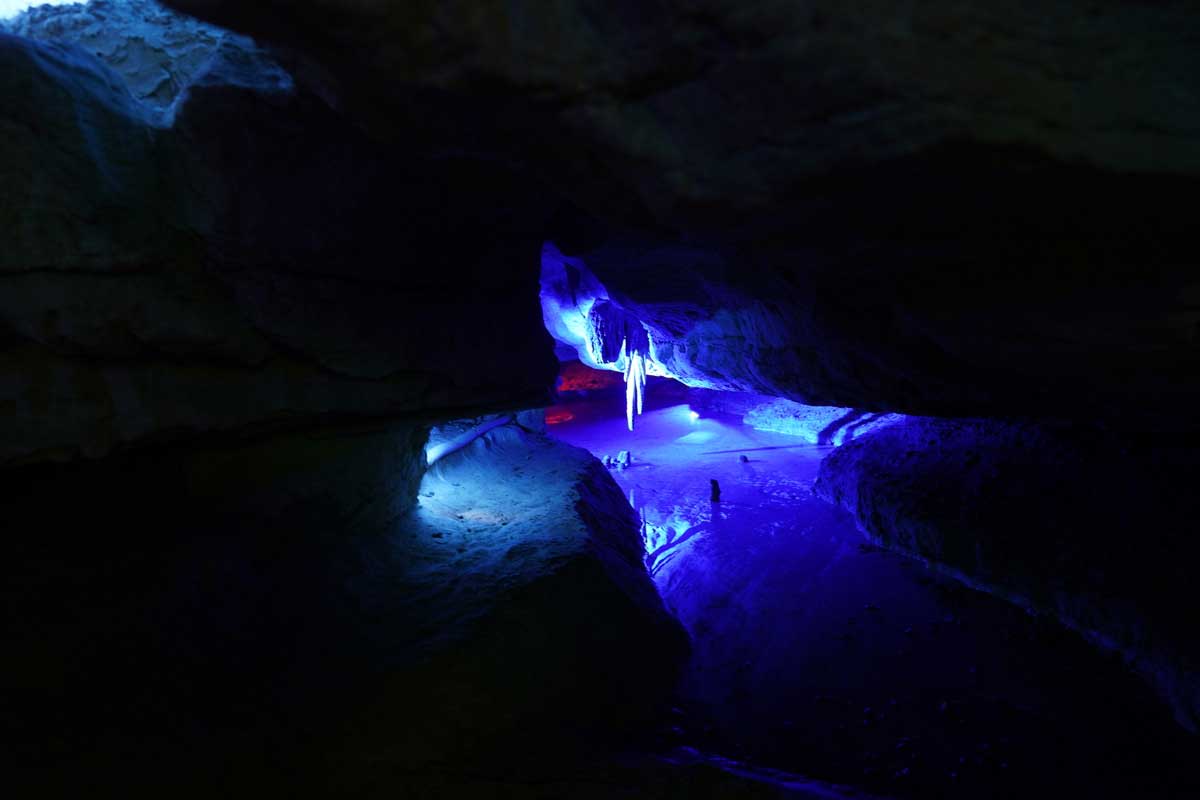
We began with Skyline Caverns. The cave itself is quite interesting; however, the guided tour was rather mediocre.
As for the lighting, it was difficult to expect much from a system that is already 50 to 60 years old and was installed by an electrical company that clearly had no specific experience with cave lighting. The fixtures appeared to have been installed rather haphazardly, simply to provide basic illumination.
We will address the subject of lighting in show caves in greater detail later in the conclusion.
|
Cave |
Endless Caverns |
|
Show cave since |
1879 |
|
Brief description |
Historic tourist cave in Virginia with an extensive cave system, large chambers, and numerous stalactite and stalagmite formations. The cave is located on a campground and is privately operated. |
|
Length of the tour section |
approx. 1.5 km |
|
Special features |
One of the oldest tourist caves in the U.S.; known for its labyrinthine passages, large chambers, and direct access from the campground. |
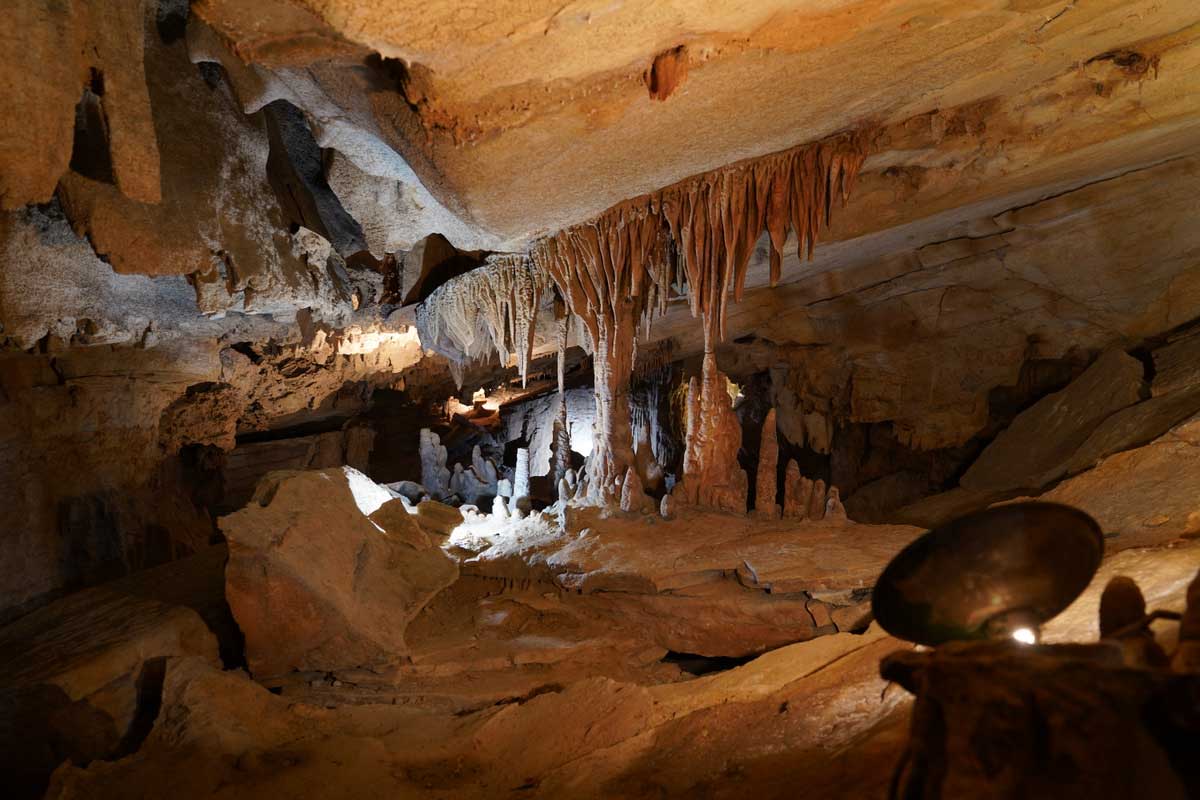
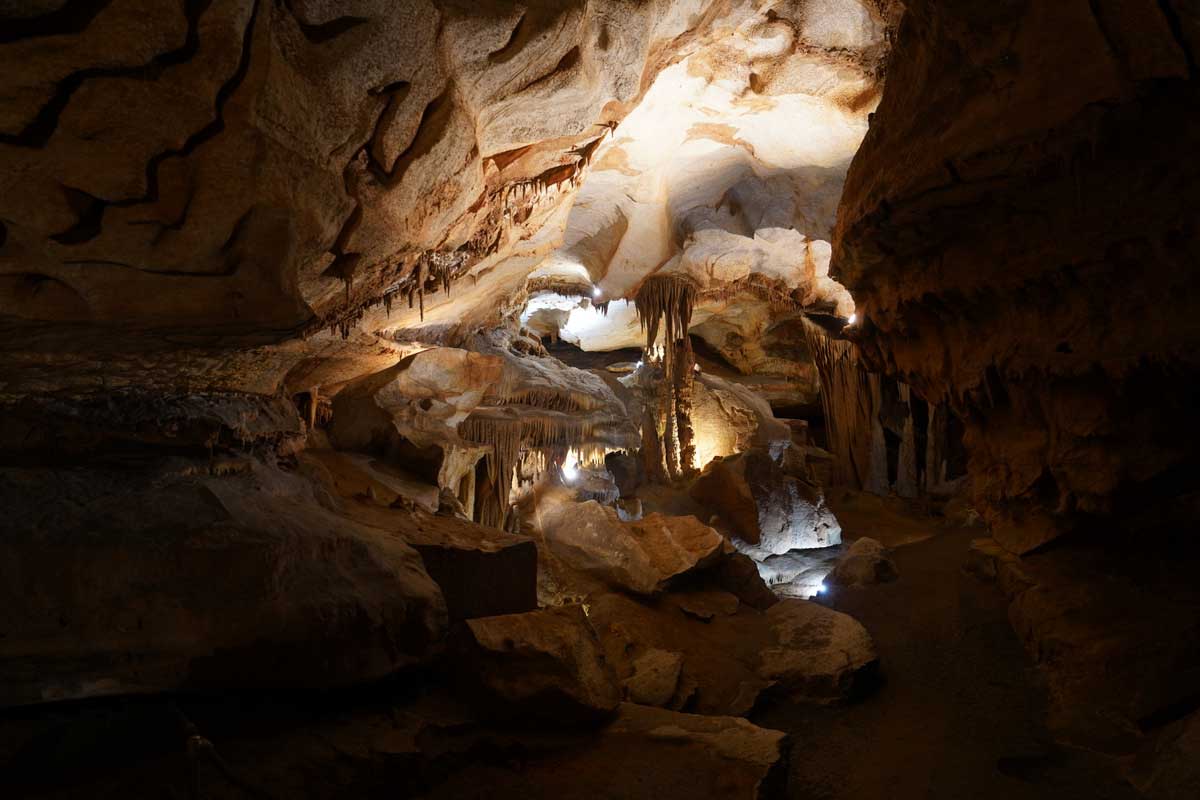
After visiting Skyline Caverns, we continued on to Endless Caverns. This show cave is located on a campground and is a relatively old, privately operated cave.
The guided tour was significantly better than the one at Skyline Caverns. Although the lighting setup was generally comparable, it was clear that greater care had been taken to avoid blinding visitors and to minimize the growth of lampenflora caused by the lighting.
The tour lasted approximately one hour. The cave guide, a young man, provided very detailed explanations and made the overall experience enjoyable. The cave itself also left a strong impression on us, particularly because of its large chambers and the beautiful stalactite formations on display.
|
Cave |
Shenandoah Caverns |
|
Show cave since |
1922 |
|
Brief description |
Family-run tourist cave in Virginia featuring diverse stalactite formations, large chambers, and impressive colored mineral deposits. The cave combines natural beauty with a long tradition of tourism. |
|
Length of the tour section |
approx. 1.6 km |
|
Special features |
Known for the “Breakfast Bacon” formation, colorful rock structures, and expansive underground chambers; family-run for several generations. |
I had already visited Shenandoah Caverns in October 2025 as part of the NCA Convention. At that time, I toured the cave and joined a guided visit.
This time, we unexpectedly met the cave’s general manager, Joe Procter. We had a very interesting and pleasant conversation with him about the cave’s history, the family background of the operation, the development of the show cave, the guided tours, and many other topics. Although the conversation was brief, it was highly informative and engaging.
Mr. Procter then invited us to take another, more in-depth tour of the cave, which we were of course pleased to accept.
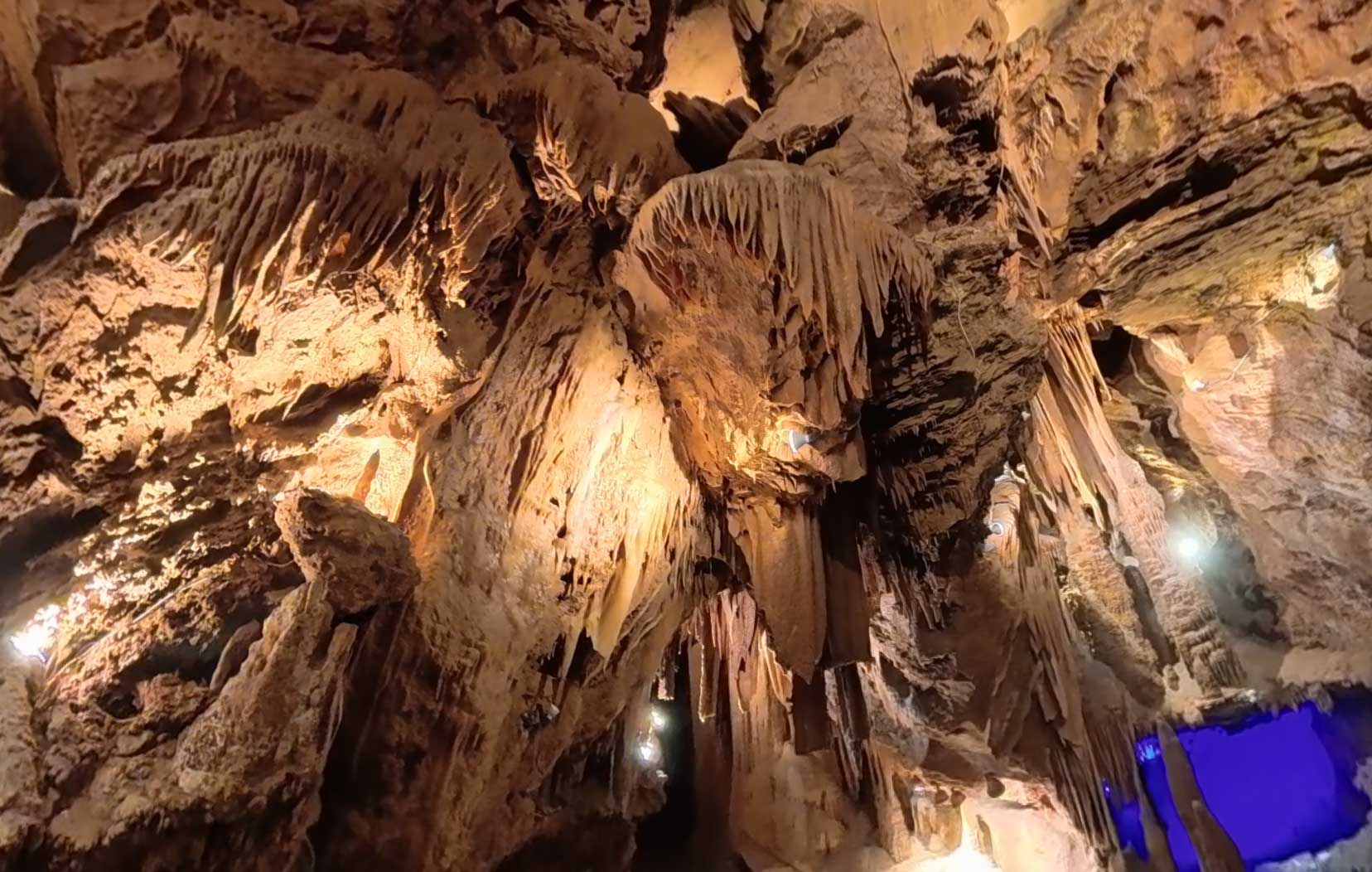
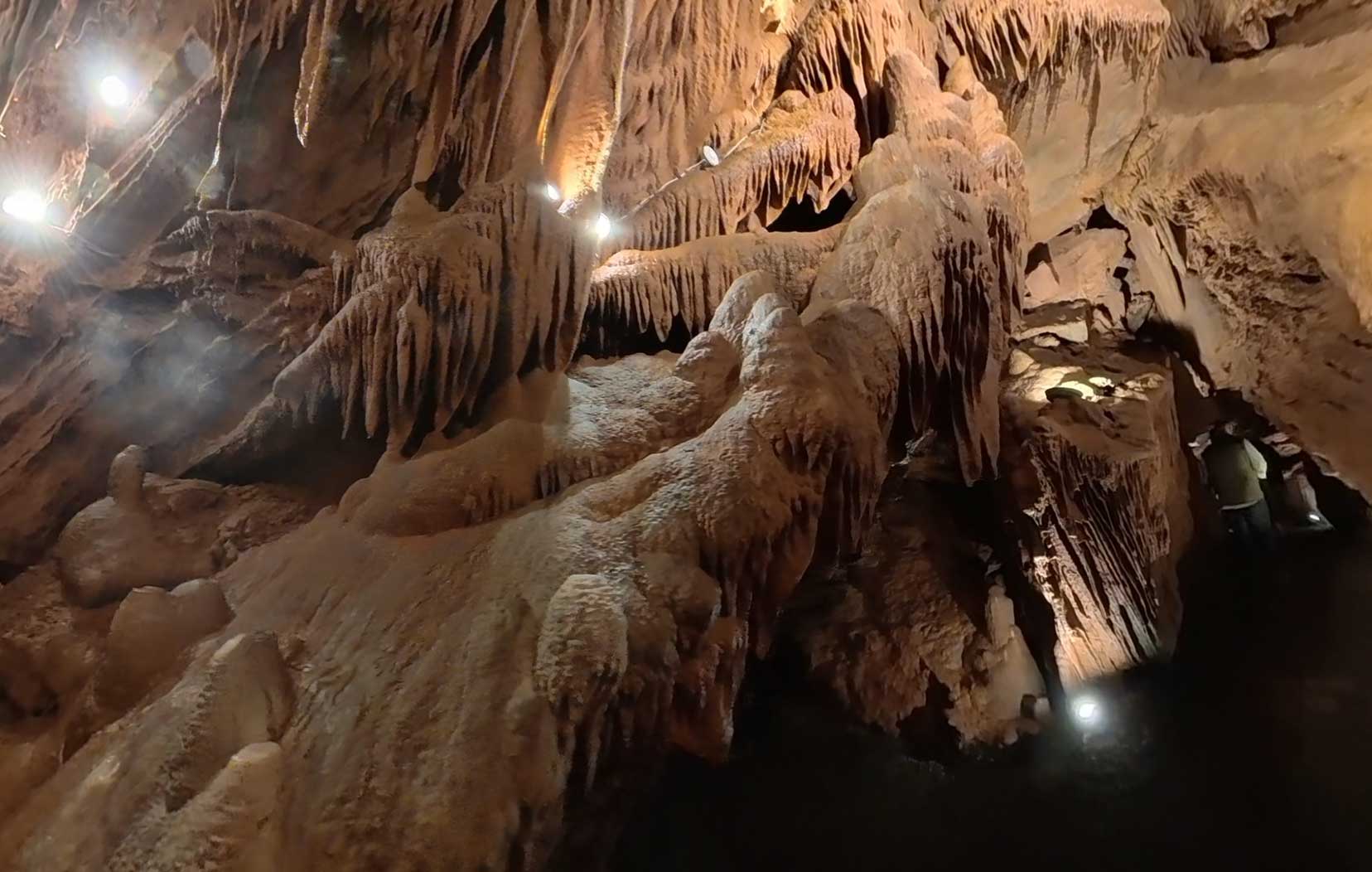
The cave itself is a remarkable natural wonder and leaves a lasting impression. Unfortunately, the lighting system in the show cave has clearly aged over the years and no longer meets today’s standards. Several areas with beautiful stalactite formations are poorly lit. Numerous garlands, cables, and wires are visible along the walkways and cave walls, and the lamps themselves sometimes cause glare for visitors.
On the one hand, this still helps preserve a strong impression of the cave as a natural environment. On the other hand, the lighting system as a whole is not truly convincing.
|
Cave |
Grand Caverns |
|
Show cave since |
1806 |
|
Brief description |
One of the oldest tourist caves in the U.S., featuring large chambers, abundant stalactite formations, and historical significance. The cave is known for its extensive passages and numerous well-preserved geological formations. |
|
Length of the tour section |
approx. 1.6 km |
|
Special features |
The oldest continuously operated tourist cave in the United States; guided tours have been offered since the early 19th century; large natural chambers and diverse stalactite formations. |
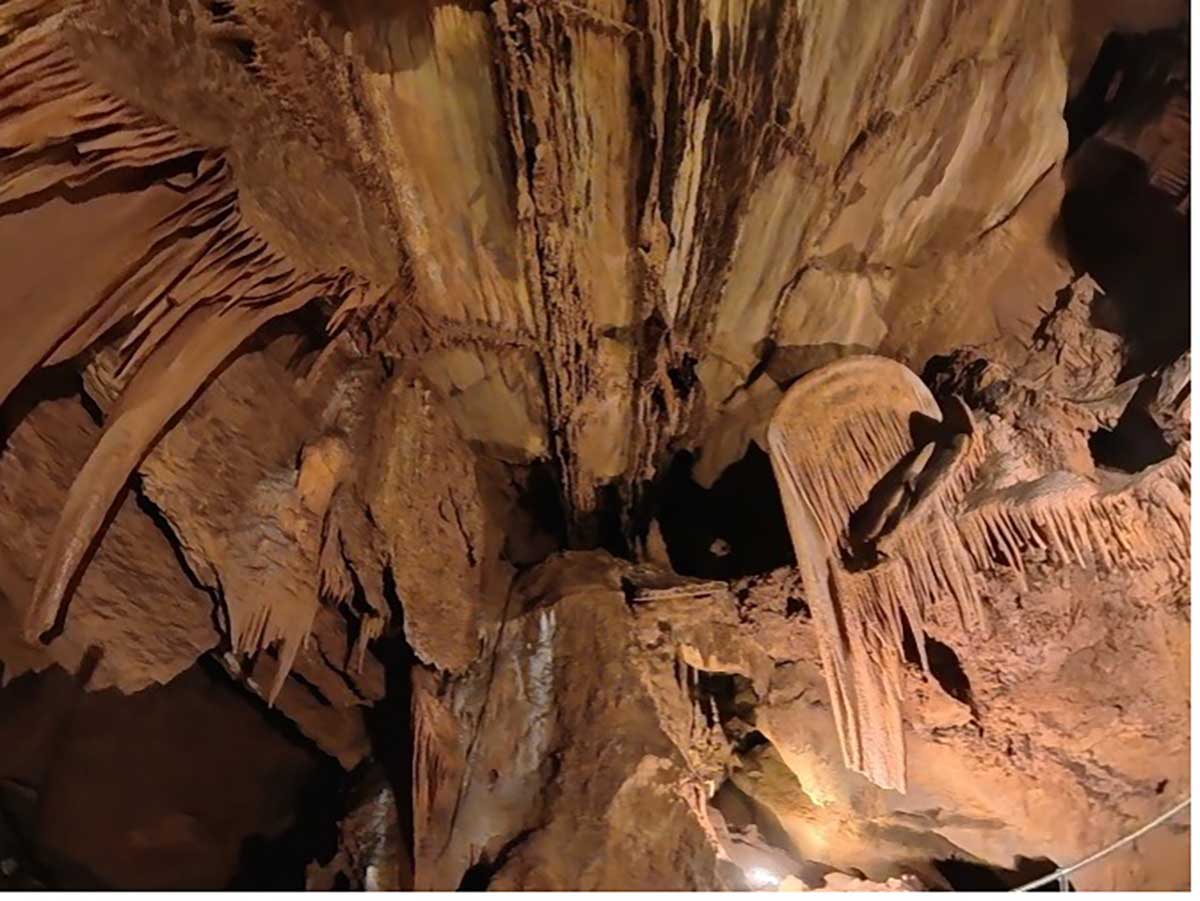
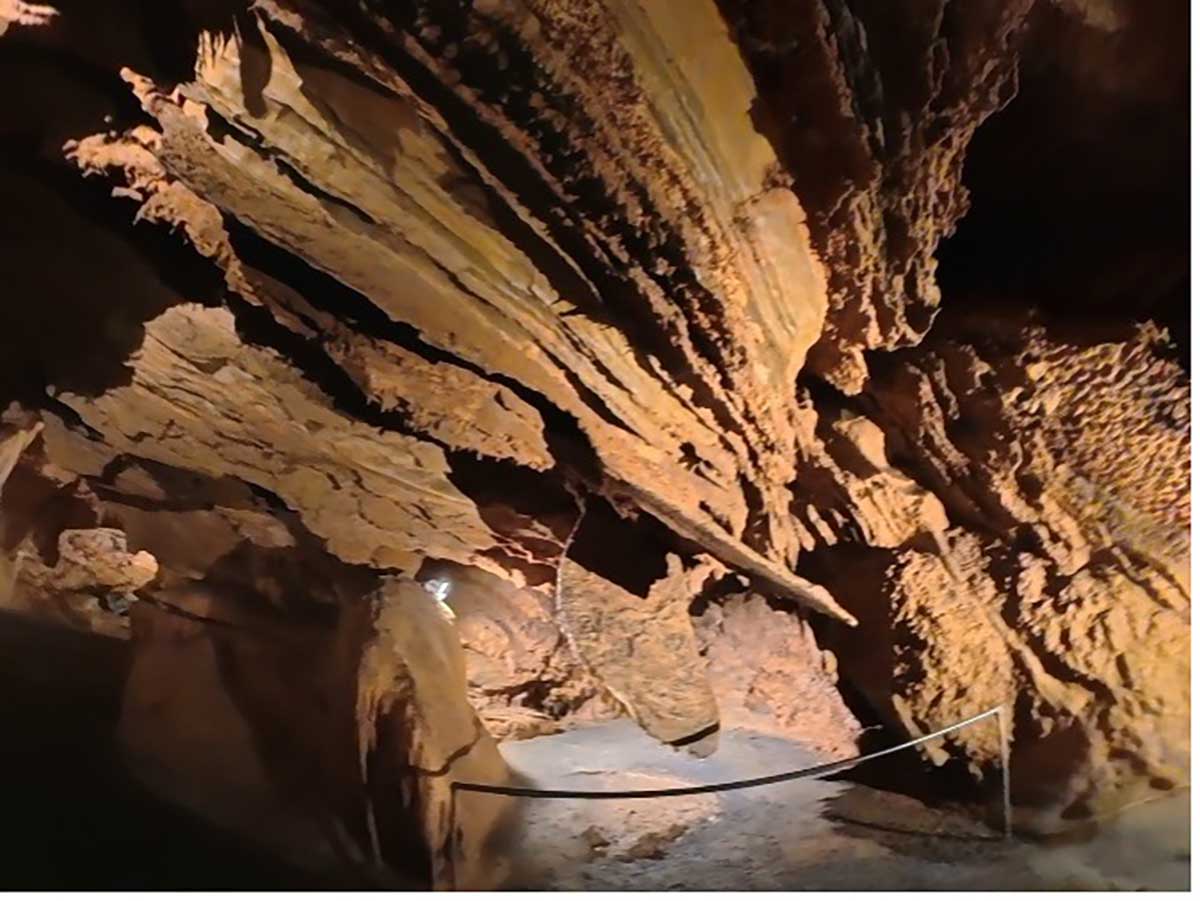
Later that same day, we met with the management team of Grand Caverns. I had already visited this cave in October 2025 as part of the NCA Convention, and even at that time I considered it one of the most remarkable in the region, second only to Luray Caverns.
Since then, I had been trying to establish contact with the cave management, which I finally succeeded in doing. Once on site, we held a meeting of approximately two hours directly inside the cave. During the meeting, we discussed the cave’s history, the existing lighting system, the geological formations, the guided tours, and the management’s future objectives in detail.
I hope we were able to provide useful suggestions and recommendations that may support the future implementation of new lighting projects in the cave.
|
Cave |
Lincoln Caverns |
|
Show cave since |
1931 |
|
Brief description |
Family-run tourist cave in Pennsylvania featuring exceptionally well-preserved stalactite formations, narrow passages, and varied cave chambers. The cave is considered one of the most beautiful limestone caves in the state. |
|
Length of the tour section |
approx. 1.5 km |
|
Special features |
Known for exceptionally well-preserved formations, underground streams, and science-focused guided tours; accessible together with the neighboring Whisper Rocks Cave. |
Lincoln Caverns was the final show cave we visited during our trip to the United States. Although it was not directly on our route to New Jersey, we made a deliberate decision to take a detour in order to visit it.
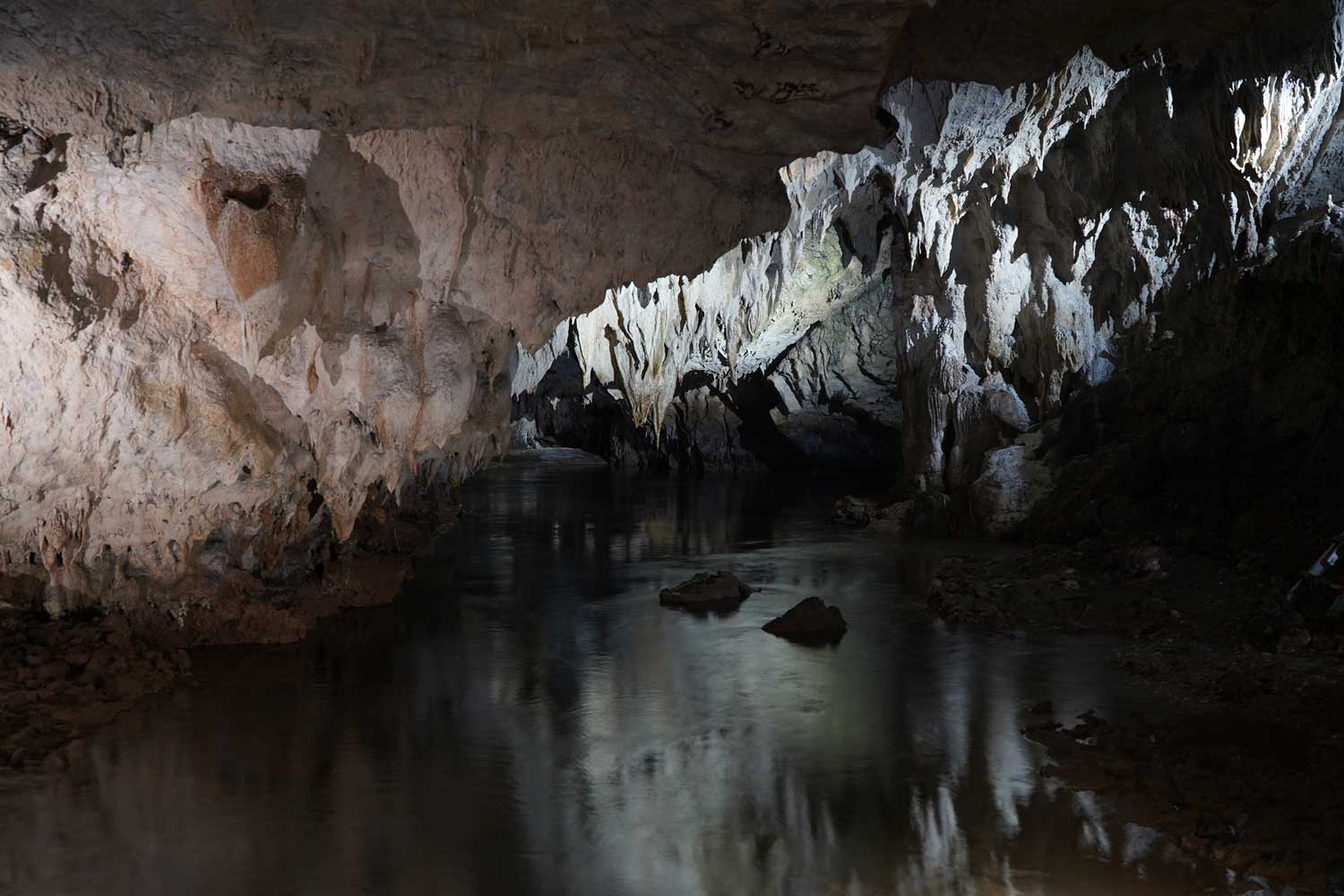
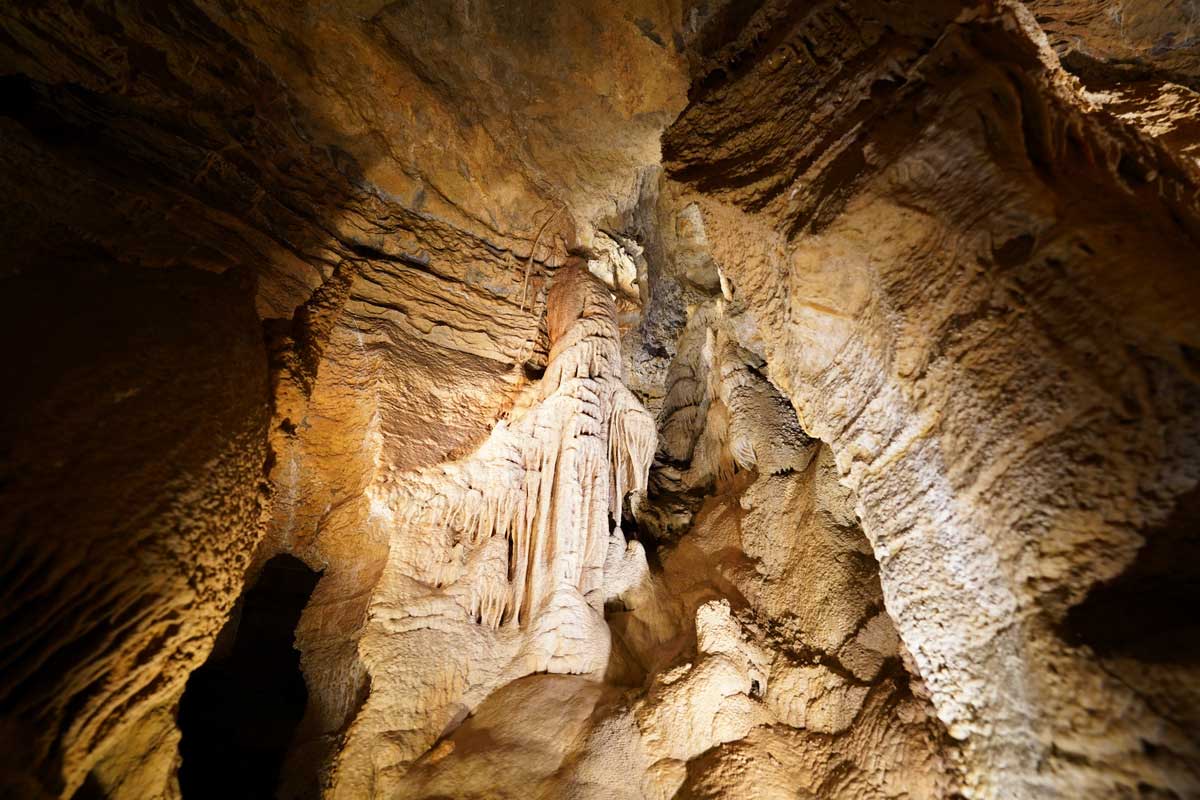
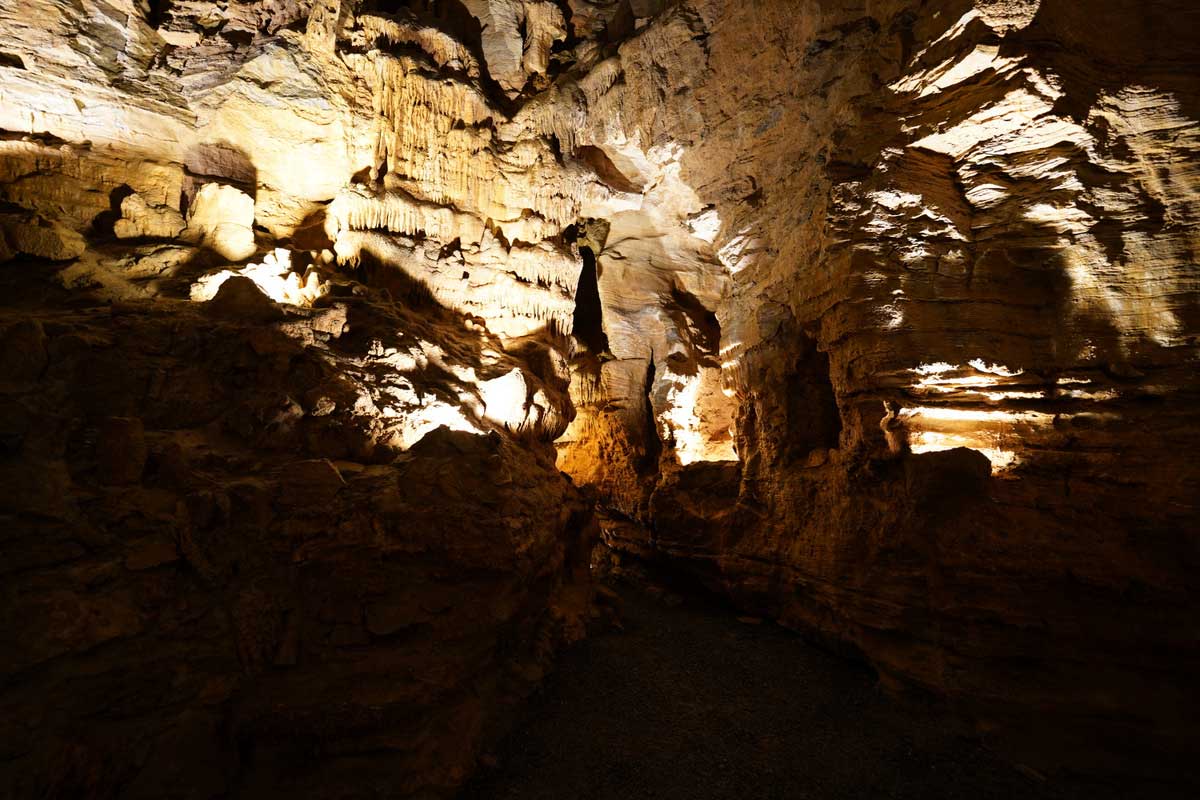
To our surprise, the staff at the ticket counter already knew who we were, and we were assigned a personal cave guide who led us through both show caves. During the tour, we could clearly see the care and dedication with which the caves are maintained and operated. It was immediately apparent that the staff places great importance on both the preservation and the presentation of the caves.
After the tour, we also had the opportunity to meet with Ann Dunlavy, the general manager and owner of the cave. In a brief but very interesting conversation, we discussed the cave tourism business, as well as the tasks and responsibilities of a modern show cave.
For Ann, it was — and remains — particularly important that visitors are not only shown the beauty of the cave during the tours, but also leave with a deeper understanding of it. The cave is intentionally used as a place of education and learning.
Conclusion.
The overall outcome of our trip to the United States was very positive. It was an extremely exciting and intensive two weeks, during which we visited a total of nine different show caves. We actively worked in three of them, while the others were visited, observed, and analyzed.
In summary, most of the caves we saw still rely on highly outdated installations. Many of the lighting and electrical systems date back 40 to 60 years. Although these systems are frequently maintained and serviced, in many areas they no longer meet today’s technical, design, and safety requirements. The lighting systems are often outdated, inefficient, and no longer function in the way modern show caves require.
The cave operators and management teams are well aware of this issue. However, in many cases, either the financial resources or the organizational commitment required to initiate new projects and implement them consistently are lacking. This is precisely where Cave Lighting Team can provide support. The planning and implementation of modern cave lighting systems are part of our daily work.
A good example of this was our work at Glenwood Caverns. We spent three days on site, discussing numerous technical and conceptual issues and sharing a great deal of knowledge with the cave management. At the same time, we were able to provide important insights for future modernization and lighting projects.
However, it is important to understand that each project must be considered individually. The first step is to analyze the specific nature of the site, the goals pursued by the operator or owner of the show cave, and how the cave is currently organized and operated. Only once these fundamentals have been clearly defined can modern technologies be applied effectively, new systems planned, technical specifications drawn up, and long-term solutions developed.
Above all, it is crucial that the operator of a show cave knows exactly what result they want to achieve at the end of the project. In this regard, two distinct objectives can generally be identified: some operators design their show cave primarily according to their own vision, while others consistently focus on the visitor experience.
Even more important, however, is the fundamental question of what must be the highest priority for any show cave. In our view, there is only one clear answer: visitor safety and the protection of the cave as a biotope. Only once visitor safety and cave protection are fully guaranteed should other aspects be addressed, such as the cave’s appeal, multimedia content, modern presentation formats, or design effects.
If a show cave does not meet basic safety standards and cave conservation requirements, all other measures ultimately lose their value. Safety and cave conservation must therefore always form the foundation of every modern show cave and every lighting project.
Cave Lighting Team
May 2026