Dan Pitic, the Oradea Caver
Dan Pitic, the Oradea Caver Bringing Light to Show Caves Around the World
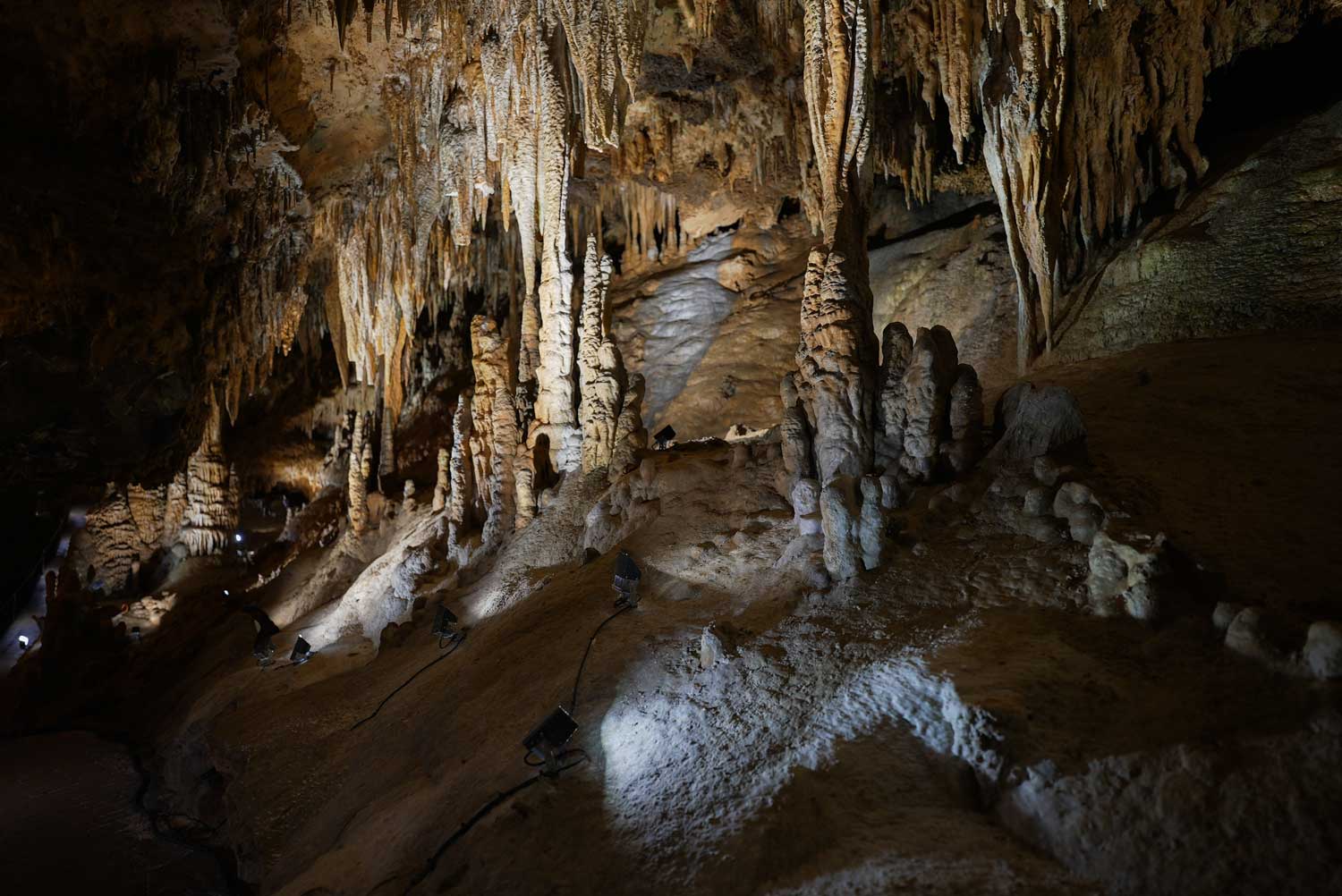
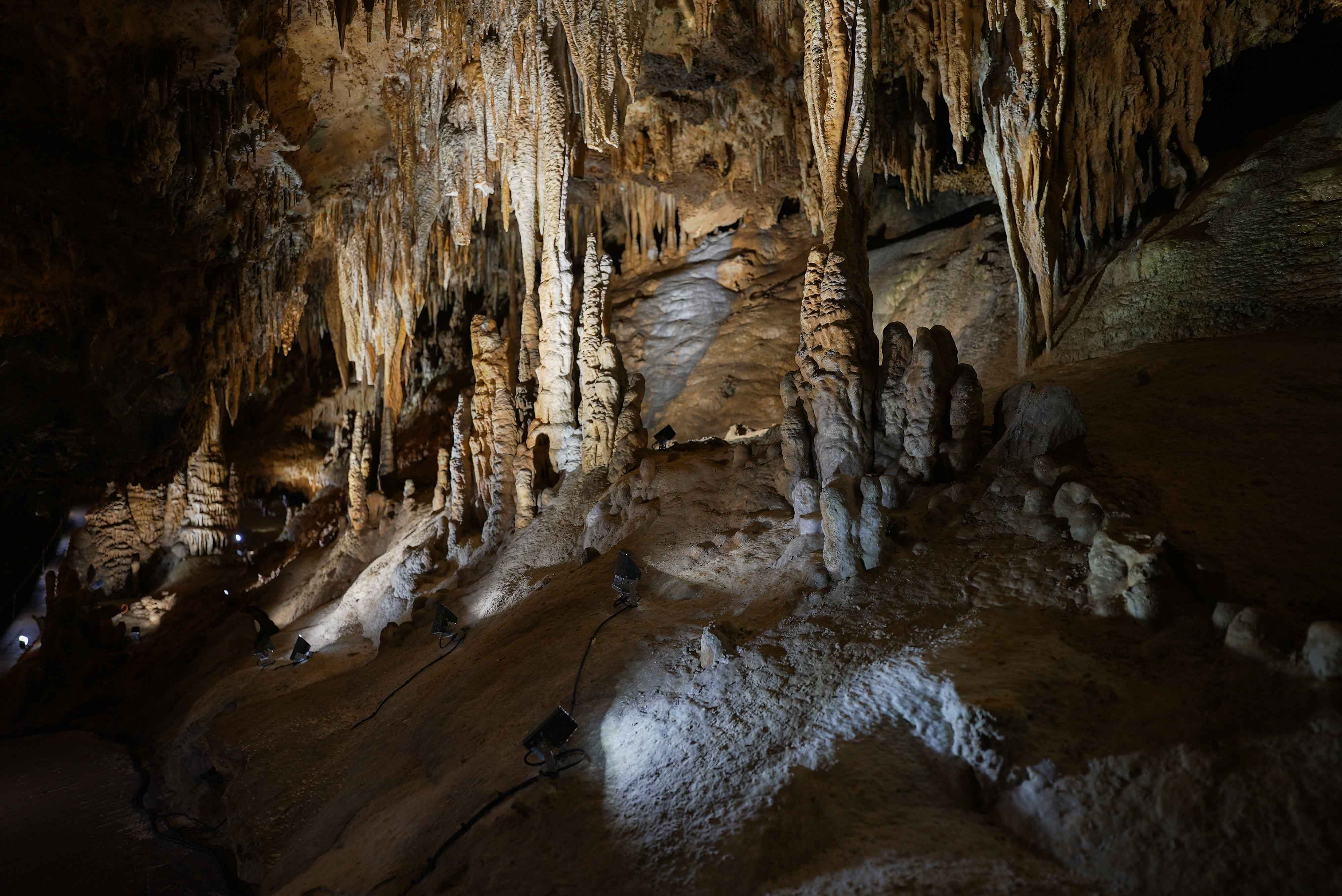
For Dan Pitic, lighting a cave is about far more than simply installing lamps: it is where technical expertise meets artistic vision.
The dark and fascinating world of caves captivates with the beauty of its speleothems and its unique ecosystems. Once you have crossed the threshold, it calls you back time and again, inviting you to discover new passages and push your limits a little further.
It has been 40 years since Dan Pitic first set foot in a cave. In 1992, he became involved in the world of caving and soon began taking part in every activity his time and budget would allow: exploration camps, training courses, congresses, competitions, and expeditions both in Romania and abroad.
In 1997, Pitic was part of the team that took part in the first all-Romanian expedition to reach the –1,000-metre mark in the Pierre Saint-Martin cave system in France. He also attended a working camp at what was then the deepest cave in the world. He went on to hold various positions within the Romanian Speleological Federation and taught courses at the Romanian School of Speleology, which provides instruction, training and advanced preparation in cave exploration and the techniques required to travel safely through underground cavities.
After several years of intensive caving, Pitic decided to take a step back and focus on what he found most rewarding: exploratory caving in the Bihor Mountains and Piatra Craiului. He continues to pursue this whenever time allows, while supporting the activities of SpeoClub Cristal in Oradea, whose leadership team he was part of for 30 years.
“Although I trained as a mechanical engineer, I was able to put the skills I had acquired through caving—particularly ascending and descending ropes—to use as a rope-access technician. At first I worked for others, and from 2000 onwards for my own company. That was also how I came to be involved in the development work at Ungurul Mare Cave and later at the Crystal Cave in Farcu Mine, where the lamps we still work with today at Cave Lighting were used.”
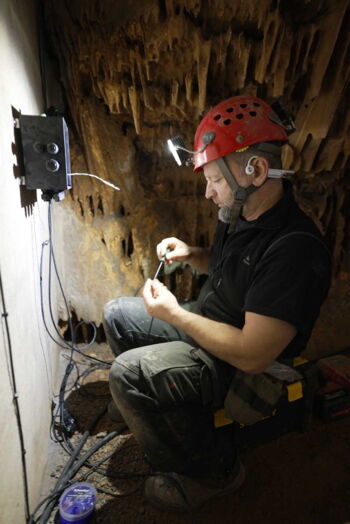
A Qualified Technician and Valued Member of the Team
The Oradea caver has been working with Cave Lighting in Germany for several years. His first contact with the company came through fellow club member Adrian Kondacs, who had settled in Germany and was already a permanent employee of Cave Lighting.
Following an interview and discussions with company manager Alexander Chrapko, Pitic was invited to complete a work trial. He subsequently began collaborating with the company on a number of projects in Germany, France, Austria and the United States.
Years later, Cave Lighting introduced him on social media in a profile entitled “The Faces Behind the Lights”:
“Meet Dan Pitic, a Romanian caver, qualified technician and valued member of the Cave Lighting team. With no family background in caving, Dan’s passion began in his teenage years, fuelled by adventure stories—particularly the works of Jules Verne—and by a deep curiosity about the natural world. After initially exploring caves informally with friends, he joined a caving club in 1992 and has never stopped since.
“This lifelong journey underground eventually led him to discover Cave Lighting systems during projects in Romania around 2012.
“Years later, from the very first day of his first Cave Lighting project in Germany, he knew the job was a perfect fit. He enjoyed the work itself, the people, the team spirit and what he calls ‘German-quality workmanship’—an approach based on handling every detail with precision and constantly striving for the best possible result.”
This is how “The Faces Behind the Lights,” the company’s social-media profile of Pitic, begins.
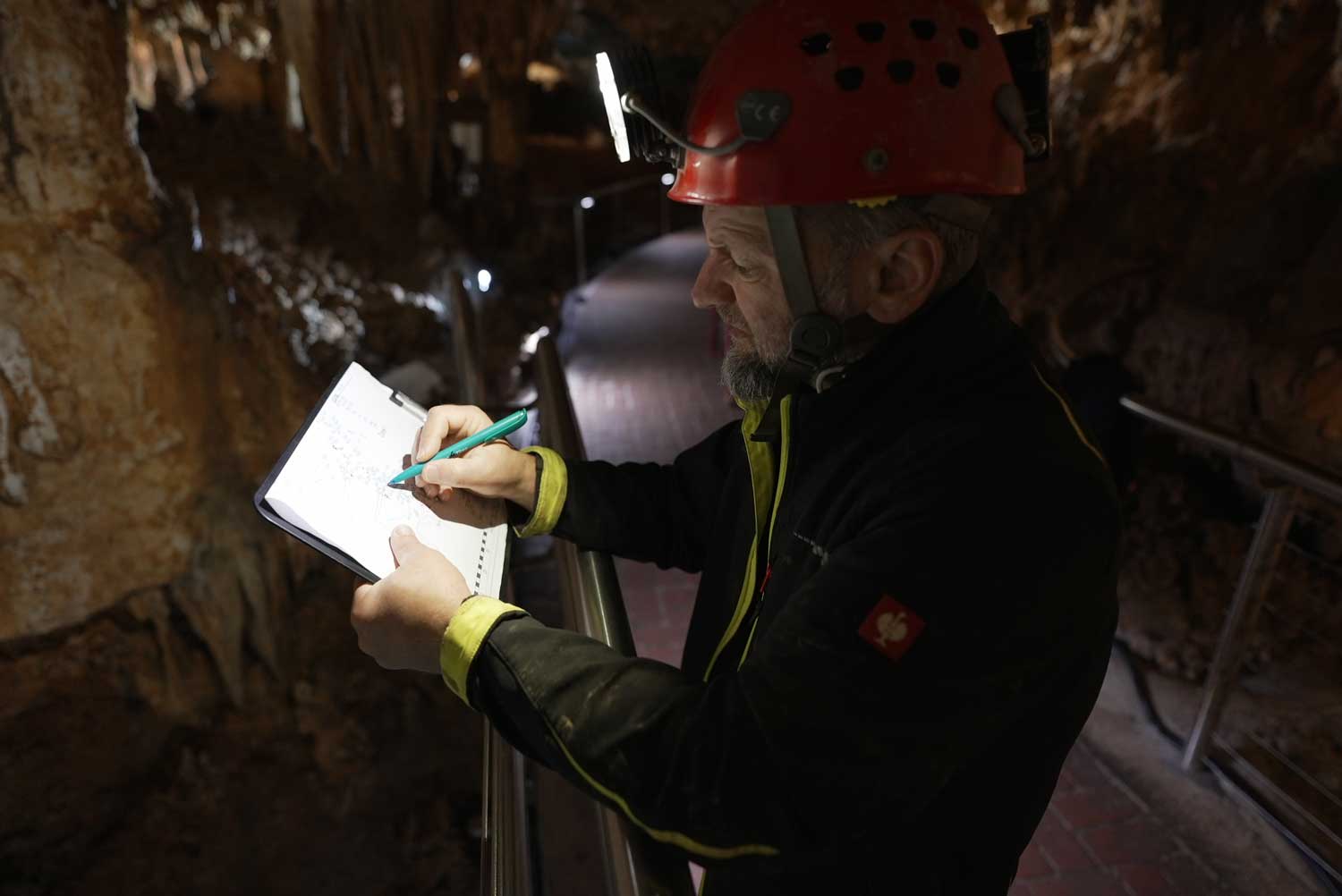
For Dan, his employers say, lighting a cave is about far more than installing lamps: it is where technical expertise meets artistic vision. The Oradea caver is described as curious and eager to learn, studying every angle and adjustment to understand how light can reveal the unique character of a cave and bring each underground landscape to life.
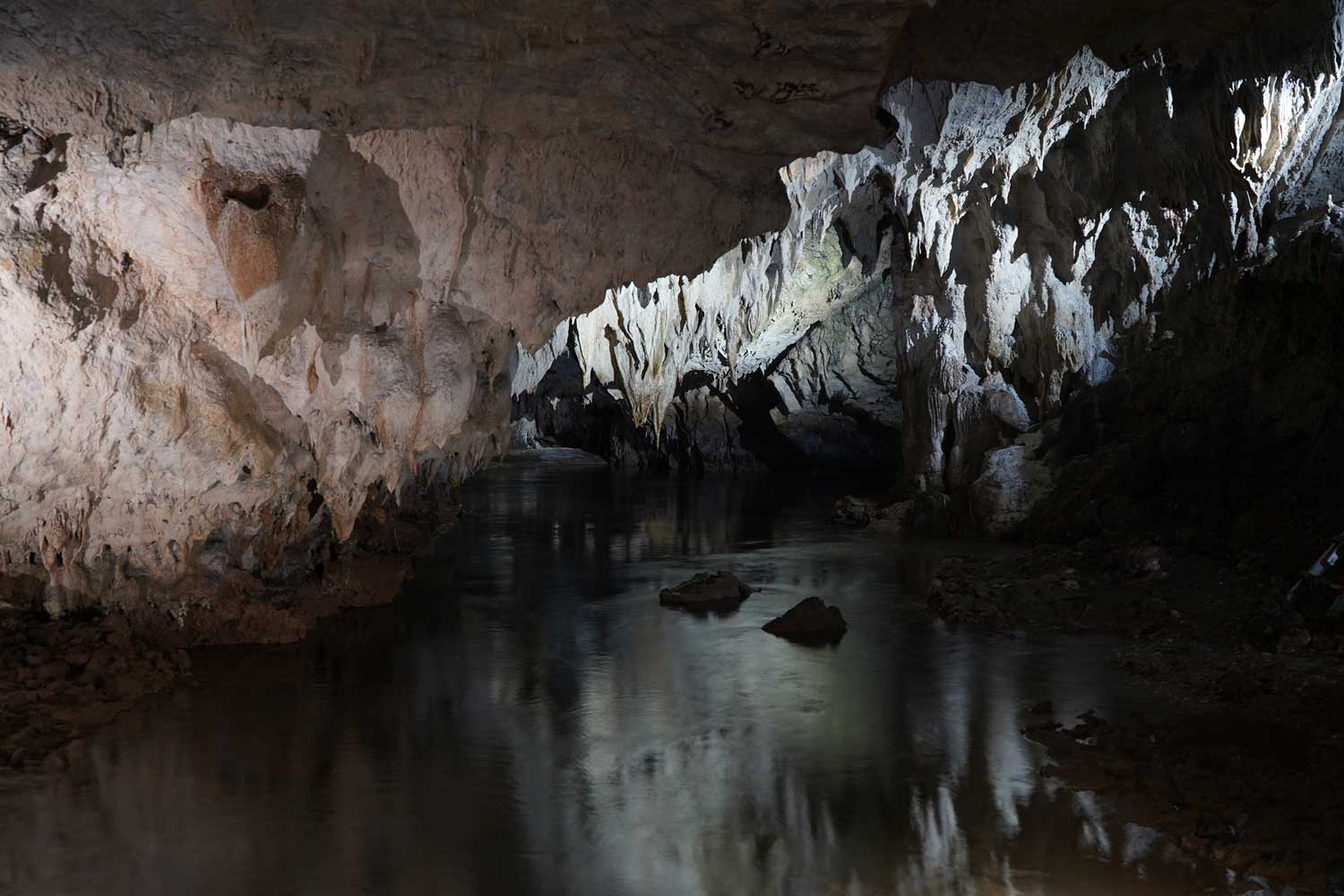
“The various projects have each had their own particular features that make them special. One of the caves at Saint-Christophe, France, could only be traversed along a metal walkway high above the ground. Another becomes almost completely flooded during torrential rainfall. At Lurgrotte Pegau, near Graz, the water level can rise by as much as six metres.
“The first cave I worked in, Hermanshole in Germany, impressed me with its beauty and richness, but also with the complexity of the work we carried out there.
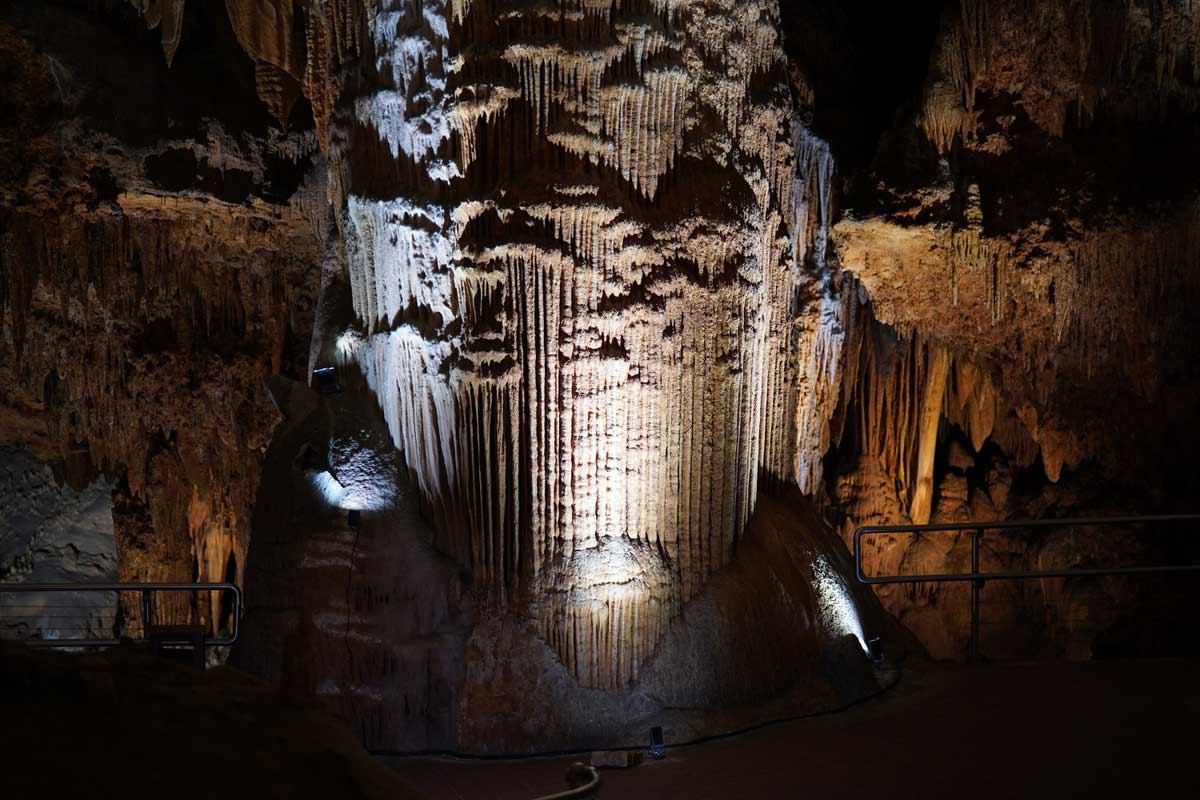
“But probably the most interesting project is the one we are working on at present, at Luray Cavern in Virginia. Since it opened to the public on 6 November 1878, the cave has operated daily right up to the present day, and in 1881 it became the first electrically illuminated cave in the world.
“The fact that the flow of visitors never stops, that this is the most visited show cave in the United States, with around 500,000 visitors a year, and the sheer wealth of features that need to be highlighted through lighting—formations, lakes, vast spaces, remarkable colours and more—pushes our creativity and attention to the limit,” Dan Pitic says.
CAMELIA BUȘU
“In a Cave, He Feels at Home”
Asked about the criteria that need to be taken into account when lighting a cave, Pitic begins with the technical considerations. The principle is that visitors should see the light from the lamp, not the lamp itself—and above all, not the LED.
The materials used should remain out of sight, while any intervention in the cave itself should be kept to a minimum.
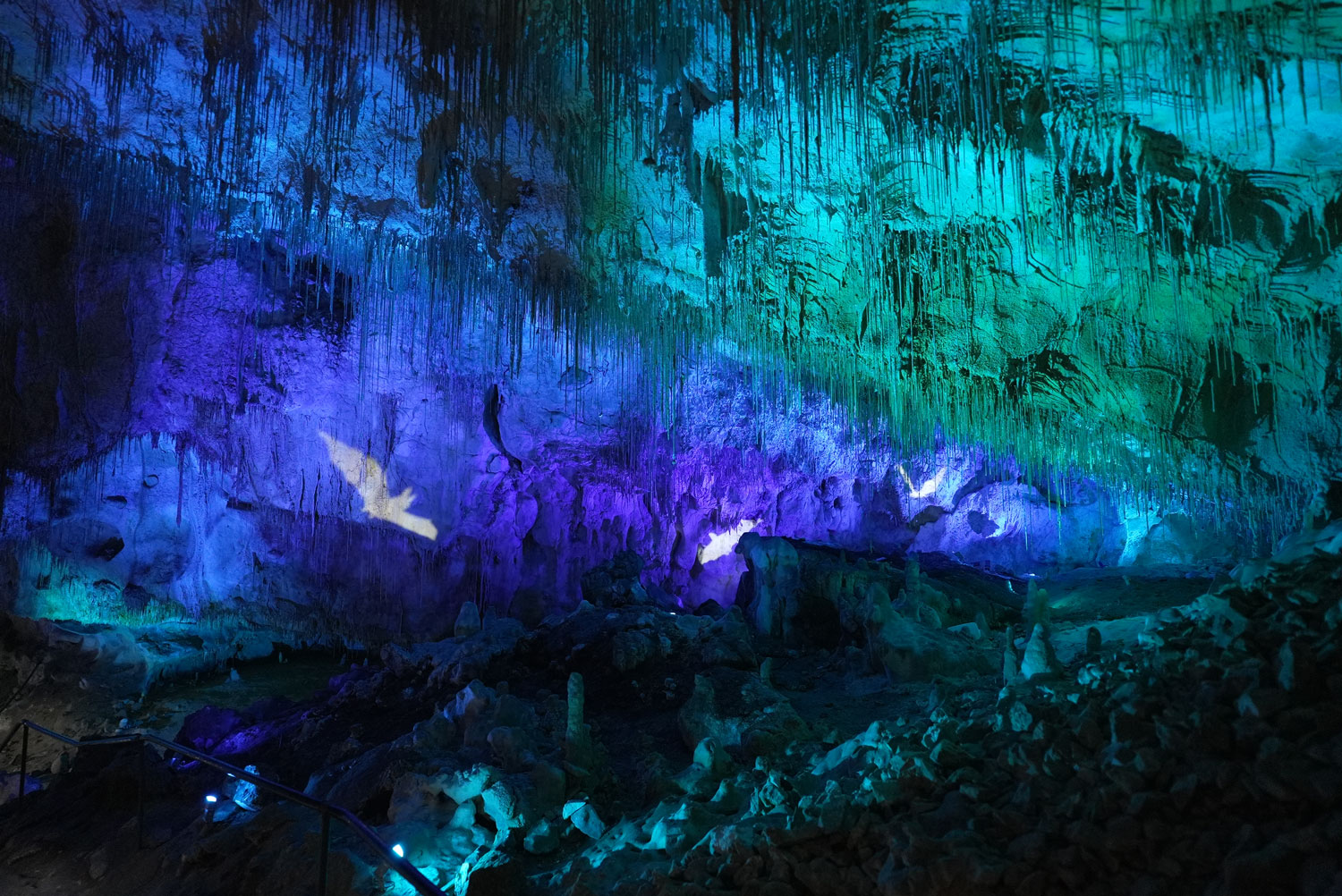
From an artistic point of view, light and shadow should be used to highlight the key features identified on site: formations, morphological features, reflections and watercourses.
Using lamps with different colour temperatures also helps bring out the various shades of the rock and avoid a monochromatic effect.
“Putting these principles into practice comes with experience, an understanding of the technical specifications of the lamps being used, and making the most of the particular configuration of each cave we work in,” Dan explains.
For him, the fact that he works “abroad” is not necessarily what matters most. Far more important is that he gets to work in an environment where he feels at home—the cave. And, of course, the pay is also a source of motivation.
The Oradea caver is part of a team that creates a spectacle of light inside a cave, not to distract visitors from the beauty of its speleothems but, on the contrary, to enhance them through a balanced interplay of light and shadow, creating an emotionally engaging experience.
And whenever time allows, he returns to the depths of the mountains back home, joining his friends and continuing his explorations with the same joy and passion that have driven him for four decades.